

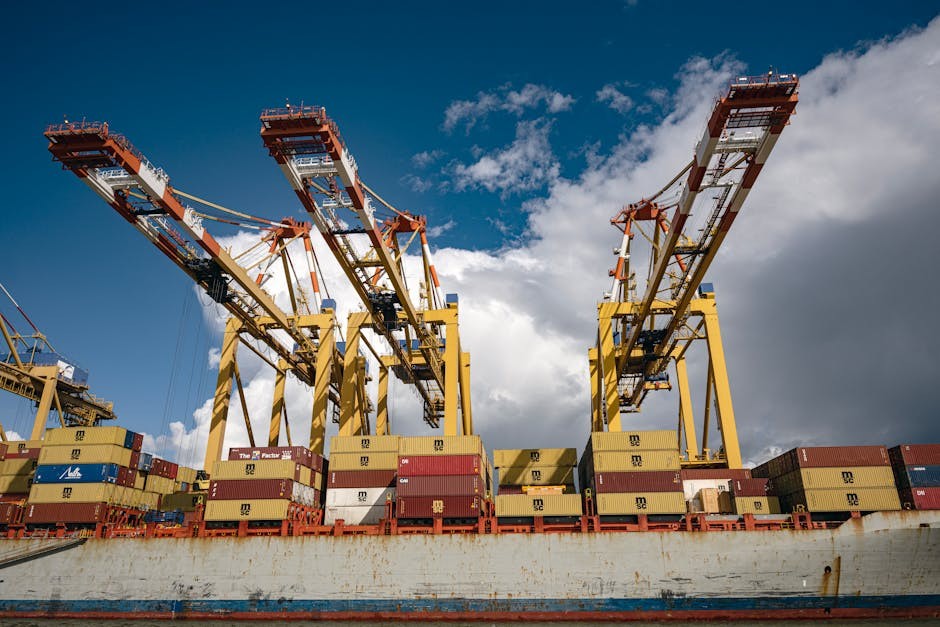
According to www.insightfulpost.com, 2026 global supply chains show partial recovery amid new pressures: global GDP growth is estimated at 3.0%, US growth slowed to 2.4%, and inflation fell to 2.3% — yet geopolitical fragmentation, services inflation, and high emerging-market debt remain top risks. The IMF and World Bank warn of structural constraints including ageing populations and slowing productivity. Supply chain professionals face direct implications for sourcing, working capital, and resilience planning — especially as policy lags lengthen and regional disparities widen. Lower-income households remain disproportionately affected by price shifts, and GDP growth alone does not reflect equitable outcomes.
According to www.insightfulpost.com, the global supply chain landscape in 2026 reflects a complex mix of partial recovery and persistent strain — shaped by post-pandemic recalibration, monetary policy shifts, and intensifying geopolitical friction.
Current Macroeconomic Indicators
The source states that global GDP growth is estimated at 3.0% for 2026, down from 3.1% in 2025 and 3.2% in 2024. Regional divergence is pronounced: the Asia-Pacific region outperformed expectations, while Europe faced headwinds from energy costs and demographic pressures. In the US, GDP growth slowed to 2.4% in 2026 (from 2.7% in 2025 and 2.8% in 2024), unemployment rose to 4.3%, and inflation (CPI) fell to 2.3% — still above pre-pandemic targets. The Federal Reserve funds rate stands at 3.5%, having been cut multiple times since its 2024 peak of 5.25%.
Ongoing Disruptions and Structural Pressures
Supply chain crisis 2026 is not an isolated event but interconnected with broader economic forces — including interest rate decisions, consumer spending patterns, and fiscal constraints. The source notes that government debt remains elevated globally due to pandemic-era borrowing, limiting policy flexibility in future downturns. Three key risks are highlighted: geopolitical fragmentation, persistent services-sector inflation, and high debt levels in emerging markets — per the IMF’s 2026 projection. The World Bank underscores structural challenges, including population ageing in developed economies and slowing productivity growth, which constrain long-term potential output regardless of short-term stimulus.
Practical Implications for Supply Chain Professionals
- Procurement & Sourcing: Geopolitical tensions now affect local economies more directly — e.g., a trade dispute between China and the EU impacts jobs in Mexico — demanding real-time monitoring of cross-border policy shifts.
- Inventory & Working Capital: With inflation eroding purchasing power and borrowing costs sensitive to central bank actions, holding excess inventory or delaying payables carries heightened financial risk.
- Talent & Resilience Planning: As wage growth slows and job security declines amid business uncertainty, workforce planning must integrate macroeconomic volatility — particularly in regions where labour force participation is falling due to ageing demographics.
Debunking Common Misconceptions
The source explicitly refutes several widespread myths. It clarifies that economic stress does not affect all households equally — lower-income groups bear disproportionate impact due to higher essential-spending shares. It also stresses that policy responses operate on long lags: interest rate changes typically take 12 to 18 months to fully permeate the economy. Further, GDP growth alone does not signal broad-based improvement; it measures aggregate output, not distribution — meaning rising inequality can coexist with expansion. Finally, the article notes that government debt is not inherently harmful when used productively — for infrastructure, education, or healthcare — especially at low borrowing rates.
Source: www.insightfulpost.com
Compiled from international media by the SCI.AI editorial team.


