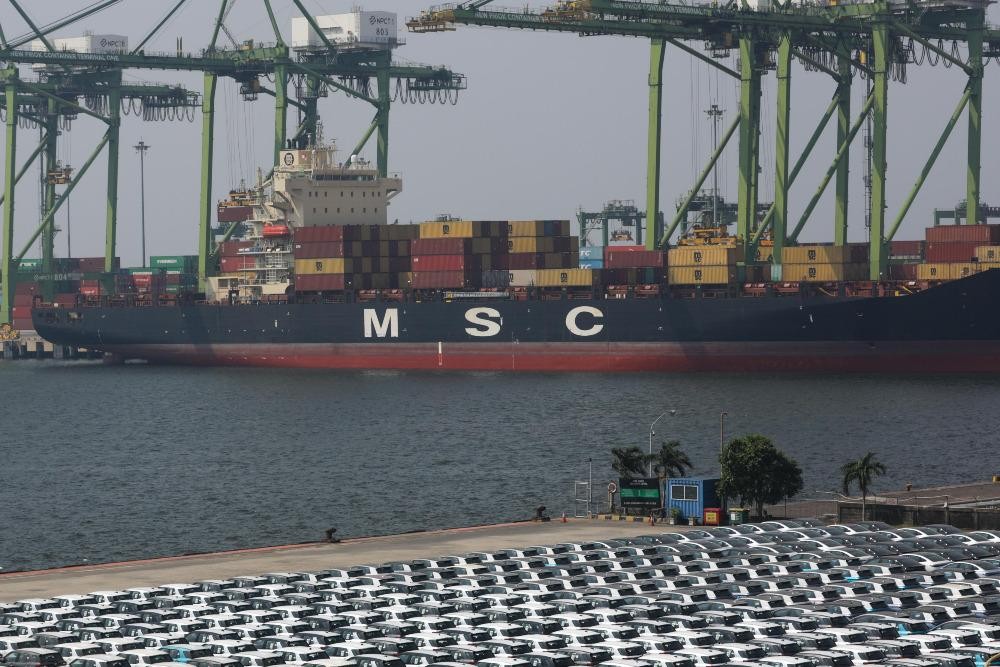
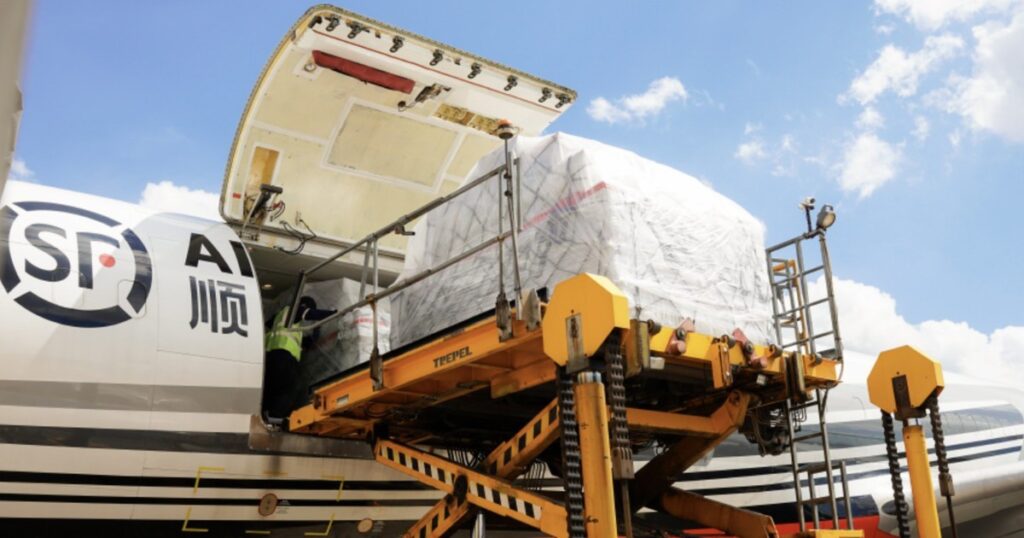
ASEAN comprises 11 Southeast Asian nations with a combined population of 683.3 million and a 2025 nominal GDP of $4.167 trillion. According to en.wikipedia.org, the bloc operates on consensus and non-interference, with economic integration guided by the AEC Blueprint and ASEAN Charter. Its diverse economies — from least developed to advanced — span four time zones and ten currencies. For supply chain professionals, ASEAN represents a high-potential, high-complexity region demanding localized execution, cross-border interoperability planning, and long-term resilience investment.
According to en.wikipedia.org, the Association of Southeast Asian Nations (ASEAN) is an intergovernmental forum comprising all 11 states in Southeast Asia — Brunei, Cambodia, Indonesia, Laos, Malaysia, Myanmar, Philippines, Singapore, Thailand, Timor-Leste, and Vietnam — with a 2023 population estimate of 683,290,000 and a 2025 nominal GDP of $4.167 trillion.
Foundational Principles and Governance
Established on 8 August 1967 via the ASEAN Declaration, the bloc operates on consensus-driven decision-making and strict adherence to national sovereignty and non-interference. As stated in the source, ‘ASEAN as a whole cannot force another member state to change its domestic laws.’ Its official motto is ‘One Vision, One Identity, One Community,’ and English serves as its working language. The headquarters is located in Jakarta, Indonesia.
Economic Architecture
The ASEAN Economic Community (AEC) Blueprint underpins regional integration efforts, supported by complementary frameworks including the ASEAN Power Grid initiative, the 2020 ASEAN Banking Integration Framework, and the ASEAN Food Security Strategy. The bloc launched its Free Trade Area on 1 January 1993 and adopted the legally binding ASEAN Charter on 16 December 2008 — formalizing its status as an international legal entity.
Regional Scale and Diversity
ASEAN spans 4,522,518 km², encompassing economies ranging from least developed (e.g., Laos) to emerging (e.g., Vietnam) and developed (e.g., Singapore). Its 2025 GDP (PPP) is estimated at $13.152 trillion, representing approximately 6.3% of global GDP. Per capita GDP (nominal) stands at $5,957; PPP-adjusted per capita GDP is $19,218. The Human Development Index (HDI) for 2023 is 0.745 — classified as ‘high’.
Strategic Relevance for Supply Chain Professionals
For global supply chain professionals, ASEAN’s scale, regulatory coherence (via AEC), and geographic centrality make it both a critical manufacturing base and a dynamic consumer market. Its multi-currency, multi-time-zone reality — spanning UTC+06:30 to UTC+09:00 — demands agile logistics planning and localized compliance strategies. The bloc’s emphasis on consensus and non-interference means harmonized standards (e.g., customs facilitation, QR code payment interoperability introduced in the 2020s) evolve incrementally — requiring firms to monitor national-level implementation gaps. With over 680 million people and growing middle-class consumption, ASEAN offers diversification beyond single-nation dependencies — directly supporting supply chain resilience objectives.
Source: en.wikipedia.org
Compiled from international media by the SCI.AI editorial team.