Skip to content

Disruptions · Risk & Resilience

Shipping Industry Faces Heightened Uncertainty Amid Red Sea Crisis

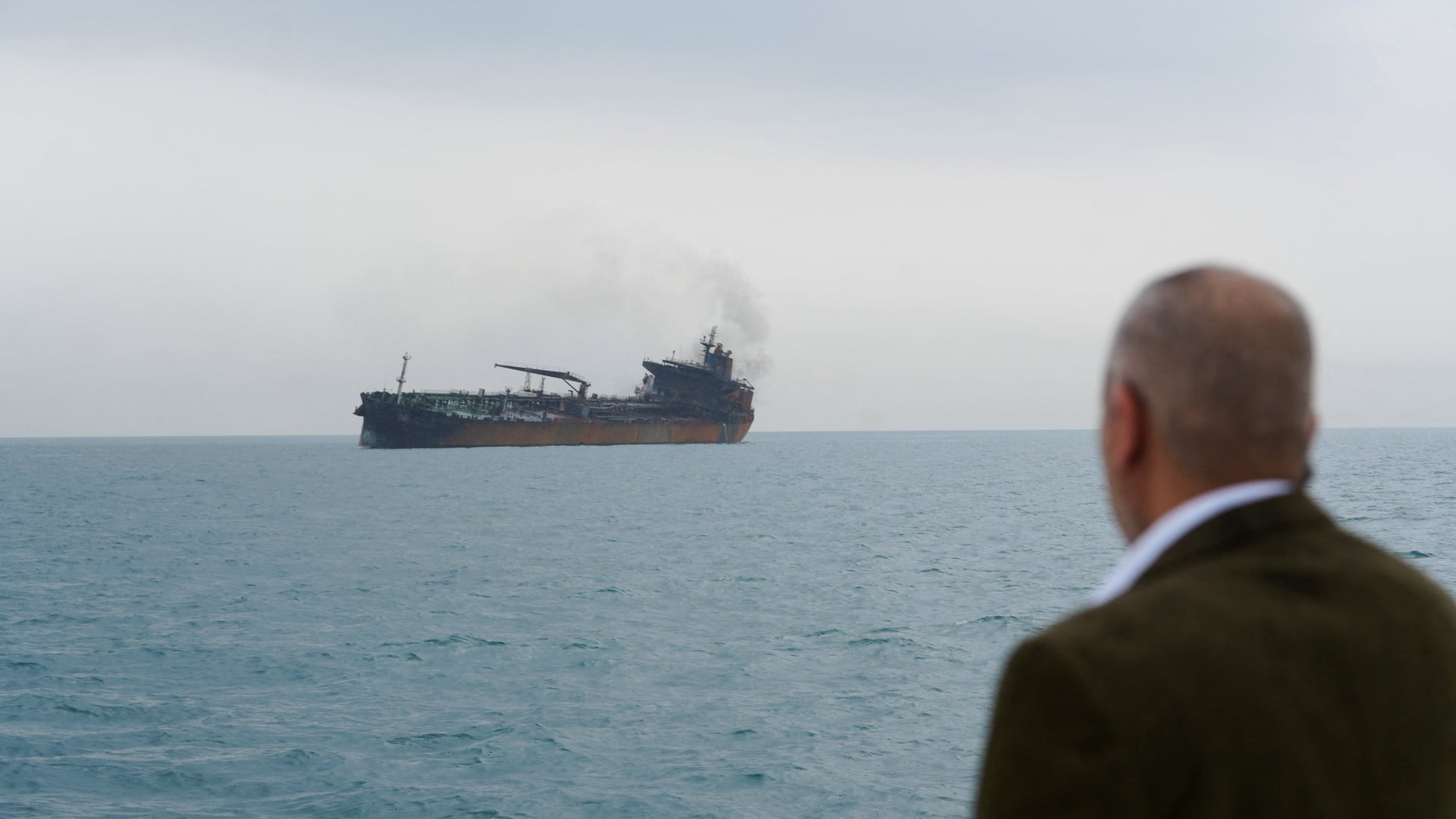
The shipping industry has entered a state of heightened uncertainty, per www.naftemporiki.gr, fueled by Red Sea disruptions, regional security escalations—including the closure of the Saudi-Bahrain causeway—and volatile freight markets. Navios committed $300 million to Japanese shipbuilding, while Tsakos Group reinforced crew readiness. WTI crude traded $4 above Brent, reflecting energy logistics strain. For supply chain professionals, this means mandatory recalibration of transit time assumptions, war-risk insurance reviews, port diversification, and real-time visibility tools to manage structural volatility—not just temporary shocks.

Original source: naftemporiki.gr

Shipping Industry Faces Heightened Uncertainty Amid Red Sea Crisis
📋 本文要点

The shipping industry has entered a state of heightened uncertainty, per www.naftemporiki.gr, fueled by Red Sea disruptions, regional security escalations—including the closure of the Saudi-Bahrain causeway—and volatile freight markets. Navios committed $300 million to Japanese shipbuilding, while Tsakos Group reinforced crew readiness. WTI crude traded $4 above Brent, reflecting energy logistics strain. For supply chain professionals, this means mandatory recalibration of transit time assumptions, war-risk insurance reviews, port diversification, and real-time visibility tools to manage structural volatility—not just temporary shocks.

According to www.naftemporiki.gr, the global shipping industry has entered a state of heightened uncertainty, driven by escalating geopolitical tensions and operational disruptions in critical maritime corridors.

Geopolitical Pressures Intensify Risk Exposure

Recent developments—including the closure of the bridge linking Saudi Arabia and Bahrain due to concerns over potential Iranian attack, and Israeli warnings advising Iranians against train travel—signal a broader deterioration in regional security. These events compound existing instability in the Red Sea, where Houthi attacks on commercial vessels have forced widespread rerouting around the Cape of Good Hope. Such detours add 7–10 days to transit times and increase fuel consumption by up to 30%, according to industry estimates cited in similar reporting by Lloyd’s List and Alphaliner.

Market Signals Reflect Volatility

Freight rate indices show sharp divergence: the U.S. WTI crude oil price traded $4 above Brent, signaling supply chain stress in energy logistics. Concurrently, dry bulk and container freight markets face downward pressure from weakening demand, while tanker rates remain elevated due to extended voyages and insurance cost surges. Greek shipping firms—including Navios and Tsakos Group—are actively managing fleet deployment amid this volatility: Navios recently announced $300 million in shipbuilding contracts in Japan, while Tsakos successfully held its Officers’ Forum, underscoring focus on crew readiness and operational continuity.

Practitioner Implications for Supply Chain Professionals

For global supply chain professionals, this environment demands proactive risk mitigation: diversifying port calls beyond Suez-dependent hubs, stress-testing inventory buffers against 10+ day transit delays, and re-evaluating insurance coverage clauses for war-risk exclusions. Real-time vessel tracking, charter party clause reviews (e.g., BIMCO CONWARTIME 2013), and close coordination with freight forwarders on contingency routing are now baseline operational requirements—not optional enhancements. As one industry observer noted in related coverage, ‘Uncertainty is no longer episodic; it is structural.’

Source: www.naftemporiki.gr

Compiled from international media by the SCI.AI editorial team.

Ask SCI.AI Finished reading? Continue with SCI.AI. Explore the related policy, route, company and historical context. Continue asking
Singapore climate envoy: climate is ‘mother’ of supply chain disruption
Disruptions

Singapore climate envoy: climate is ‘mother’ of supply chain disruption

Singapore's climate action ambassador Ravi Menon called climate change the "mother of all" supply chain disruptions at the Bloomberg Sustainable Business Summit 2026. Using El Niño as an example, he explained how climate events cascade through food systems, hydroelectric power, and energy supply chains. Menon also highlighted grid infrastructure and battery storage as key investment opportunities, arguing that private capital must complement public and philanthropic funding to drive climate action.

BHP faces A$120M/day loss as 48-hour Port Hedland strike looms
Disruptions

BHP faces A$120M/day loss as 48-hour Port Hedland strike looms

BHP faces a A$120 million per day revenue loss as a 48-hour strike at Port Hedland, the world's largest iron ore export terminal, begins August 8, 2026. The two-phase action by the Combined Ports Unions involves ~150 workers, targeting ship-loading and full operations. With 256.9 million tonnes exported in FY2026, the disruption tests supply chain resilience.

BlueGrace acquires Idaho 3PL Truk TMS to expand Pacific Northwest LTL
AI & Automation

BlueGrace acquires Idaho 3PL Truk TMS to expand Pacific Northwest LTL

BlueGrace Logistics has acquired Idaho-based third-party logistics provider Truk TMS to strengthen its presence in the Pacific Northwest. The deal brings Truk TMS—previously a BlueGrace partner—fully into the company’s ecosystem, granting its customers access to BlueGrace’s Managed Logistics platform and BlueShip technology. Financial terms remain undisclosed. BlueGrace, headquartered in Tampa, Florida, serves over 10,000 customers from nine offices across the U.S. and Mexico and operates a carrier network exceeding 250,000. As a Warburg Pincus portfolio company, BlueGrace previously acquired STB Freight Group and FreightCenter in 2025. Truk TMS CEO Mark Barnes emphasized continuity of service backed by expanded capabilities.

Welcome Back!

Login to your account below

Create New Account!

Fill the forms below to register

Retrieve your password

Please enter your username or email address to reset your password.

Scan to share via WeChat

Open WeChat and scan the QR code to share

QR Code

Add New Playlist

