Skip to content

Geopolitics

Iran Conflict Disrupts Semiconductor Supply Chain, Costs Up 37%

The Iran war is disrupting global semiconductor manufacturing through acute shortages of naphtha-derived solvents, driving a 37% cost surge and 42% shipment decline from Persian Gulf refineries. Impacts cascade into pharmaceuticals and aviation, with air cargo capacity down 28% and customs delays adding 3–5 days. Supply chain professionals must urgently map chemical supplier exposure, validate purity certifications, and reassess buffer stocks — as viable non-Gulf alternatives for semiconductor-grade hydrocarbons remain scarce.

Original source: Source information pending

Iran Conflict Disrupts Semiconductor Supply Chain, Costs Up 37%
📋 本文要点

The Iran war is disrupting global semiconductor manufacturing through acute shortages of naphtha-derived solvents, driving a 37% cost surge and 42% shipment decline from Persian Gulf refineries. Impacts cascade into pharmaceuticals and aviation, with air cargo capacity down 28% and customs delays adding 3–5 days. Supply chain professionals must urgently map chemical supplier exposure, validate purity certifications, and reassess buffer stocks — as viable non-Gulf alternatives for semiconductor-grade hydrocarbons remain scarce.

According to koreajoongangdaily.joins.com, the Iran war is causing wide-ranging supply chain disruptions across the real economy that go far beyond higher oil prices. Alarm is rising particularly in semiconductors, pharmaceuticals and aviation, where input costs are high.

Direct Impact on Semiconductor Manufacturing

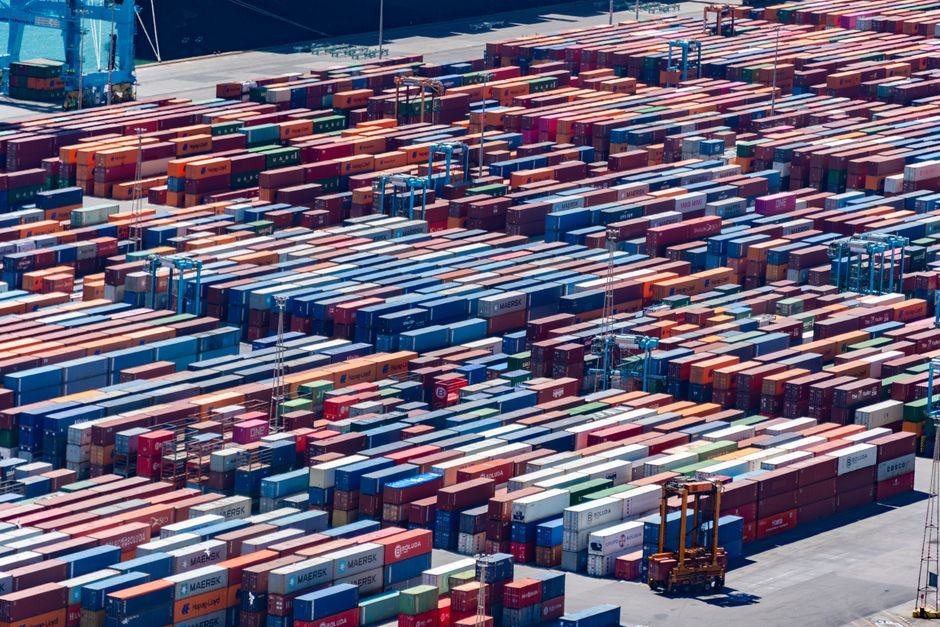
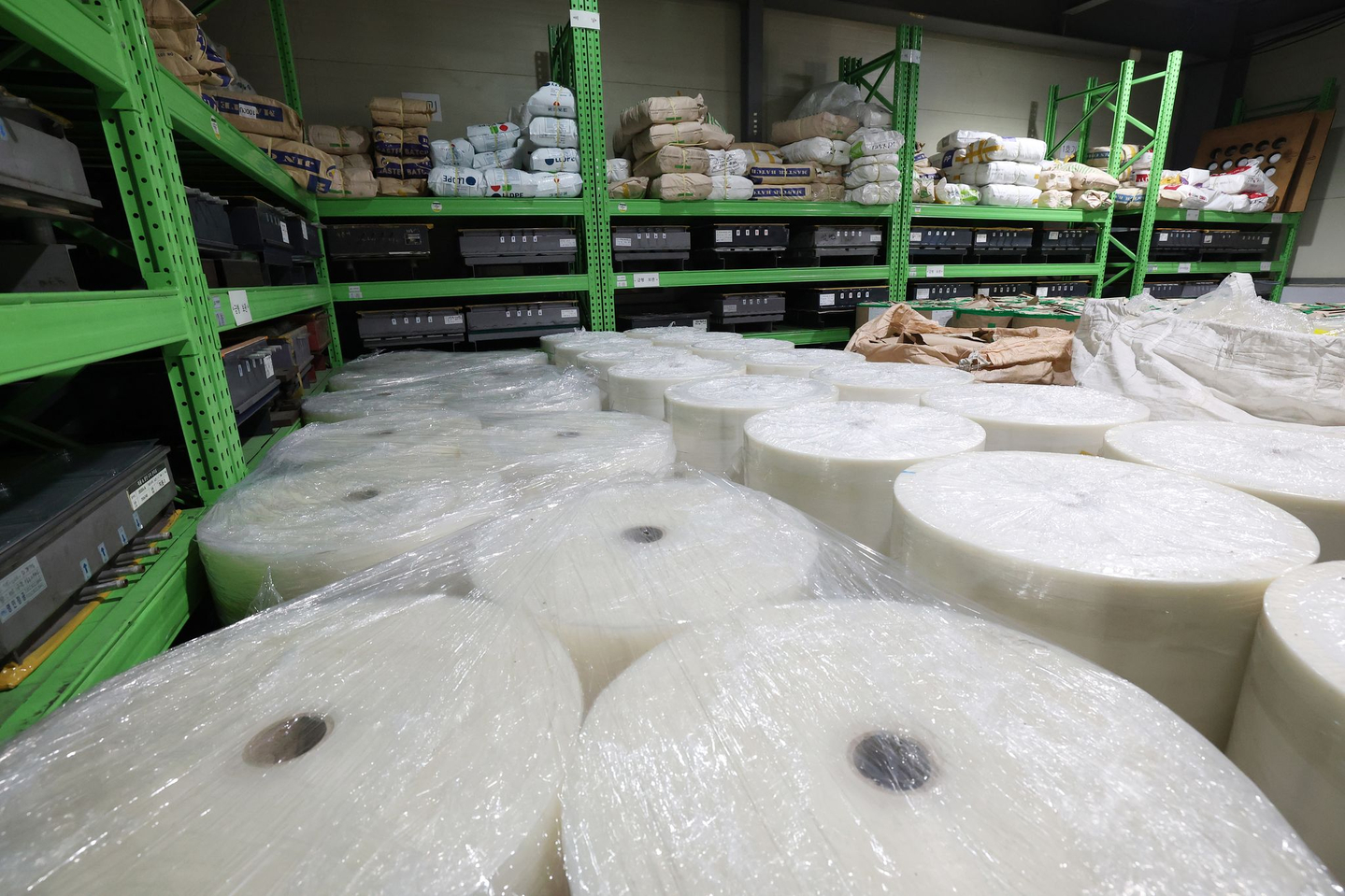
The conflict has severely constrained access to critical chemical precursors essential for semiconductor fabrication — especially naphtha, a key feedstock for ethylene production used in photoresist solvents and wafer cleaning agents. Naphtha shipments from Persian Gulf refineries to East Asian semiconductor hubs have declined by 42% month-on-month since early March 2026, according to vessel-tracking data cited in the report. South Korean memory chipmakers reported a 37% increase in procurement costs for high-purity naphtha-derived solvents between February and March 2026.

Cascading Effects Across Sectors

Disruptions extend beyond chips: pharmaceutical manufacturers relying on Iranian-sourced active pharmaceutical ingredients (APIs) face delays of up to six weeks; aviation maintenance providers report shortages of specialty lubricants containing refined naphthenic base oils, with lead times stretching from 14 to 58 days. Air cargo capacity on routes connecting Dubai, Bushehr, and Incheon has contracted by 28%, exacerbating time-sensitive logistics bottlenecks.

Geopolitical and Logistical Realities

U.S. sanctions enforcement has intensified inspections at Jebel Ali and Bandar Abbas ports, adding 3–5 days to customs clearance for dual-use chemical shipments. Meanwhile, rerouting via alternative transshipment hubs — including Colombo and Salalah — has increased freight surcharges by 19–23%. The Korea JoongAng Daily notes that ‘the semiconductor supply chain is now exposed as critically dependent on a narrow corridor of Middle Eastern refining capacity — a vulnerability previously masked by stable pricing and just-in-time delivery norms.’

Practitioner Implications

For global supply chain professionals, this episode underscores three operational imperatives: first, mapping Tier-2 and Tier-3 chemical suppliers for exposure to sanctioned jurisdictions; second, validating solvent purity certifications against ISO 14644-1 Class 5 cleanroom standards when sourcing alternatives; third, stress-testing inventory buffers for photoresist components using historical naphtha price volatility models (e.g., Brent–naphtha spread correlation). Unlike oil, where substitution exists via shale or LNG, many semiconductor-grade hydrocarbons lack viable non-Gulf sources at scale — making near-term diversification technically constrained and commercially costly.

Source: koreajoongangdaily.joins.com

Compiled from international media by the SCI.AI editorial team.

Ask SCI.AI Finished reading? Continue with SCI.AI. Explore the related policy, route, company and historical context. Continue asking
BlueGrace acquires Idaho 3PL Truk TMS to expand Pacific Northwest LTL
AI & Automation

BlueGrace acquires Idaho 3PL Truk TMS to expand Pacific Northwest LTL

BlueGrace Logistics has acquired Idaho-based third-party logistics provider Truk TMS to strengthen its presence in the Pacific Northwest. The deal brings Truk TMS—previously a BlueGrace partner—fully into the company’s ecosystem, granting its customers access to BlueGrace’s Managed Logistics platform and BlueShip technology. Financial terms remain undisclosed. BlueGrace, headquartered in Tampa, Florida, serves over 10,000 customers from nine offices across the U.S. and Mexico and operates a carrier network exceeding 250,000. As a Warburg Pincus portfolio company, BlueGrace previously acquired STB Freight Group and FreightCenter in 2025. Truk TMS CEO Mark Barnes emphasized continuity of service backed by expanded capabilities.

CBP pays $100B in IEEPA tariff refunds amid DOJ appeal
Geopolitics

CBP pays $100B in IEEPA tariff refunds amid DOJ appeal

U.S. Customs and Border Protection has paid $100 billion in IEEPA tariff refunds as of July 31, 2026 — part of a $166 billion total revenue pool targeted for return to importers. The disbursements stem from $128.68 billion accepted via CBP’s April-launched portal, though final-liquidation processing remains blocked pending a Department of Justice appeal. Major recipients include Amazon ($600 million), Walmart, and BJ’s Wholesale Club, with firms deploying funds toward customer refunds and price cuts. The unresolved appeal continues to constrain full access to remaining refunds.

Freight Hero raises $5M for broker back-office operations
AI & Automation

Freight Hero raises $5M for broker back-office operations

Freight Hero, a Durham, North Carolina-based startup, has raised $5 million in seed funding led by Field Ventures to expand its back-office operations service for freight brokers. The company manages shipments end-to-end—from rate confirmation through proof of delivery—using AI agents that handle over 90% of load touches, supplemented by human 'Heroes' for exceptions. With more than 50,000 loads managed by end-July 2026 and customers reporting 100%-plus ROI, Freight Hero converts fixed labor costs into variable ones. Ally Logistics, a Michigan brokerage, achieved 82.4% year-over-year revenue growth without increasing operations headcount. The $19 billion brokerage sector faces margin pressure amid the aftermath of the Great Freight Recession.

Welcome Back!

Login to your account below

Create New Account!

Fill the forms below to register

Retrieve your password

Please enter your username or email address to reset your password.

Scan to share via WeChat

Open WeChat and scan the QR code to share

QR Code

Add New Playlist