Skip to content

Procurement · Supply Chain Finance

Middle East Conflict Disrupts Global Supply Chains: 70% Air Freight Surge

The Middle East conflict is severely disrupting global supply chains, with non-Iranian sea traffic near the Strait of Hormuz falling to near standstill and air freight rates surging over 70% on impacted routes. Logistics hubs including Dubai, Abu Dhabi, and Doha face aviation corridor closures. Paper-based trade documentation slows response times, while digitized platforms enable near real-time rerouting, insurer updates, and financing adjustments. Longer transits tie up working capital—especially straining small exporters—and drive adoption of digital trade finance tools, war risk insurance cost increases, and port operational cascades. The PYMNTS Intelligence Visa-commissioned 2025–2026 Working Capital Index highlights virtual cards and supply chain finance as key mitigation mechanisms.

Original source: Source information pending

Middle East Conflict Disrupts Global Supply Chains: 70% Air Freight Surge
📋 本文要点

The Middle East conflict is severely disrupting global supply chains, with non-Iranian sea traffic near the Strait of Hormuz falling to near standstill and air freight rates surging over 70% on impacted routes. Logistics hubs including Dubai, Abu Dhabi, and Doha face aviation corridor closures. Paper-based trade documentation slows response times, while digitized platforms enable near real-time rerouting, insurer updates, and financing adjustments. Longer transits tie up working capital—especially straining small exporters—and drive adoption of digital trade finance tools, war risk insurance cost increases, and port operational cascades. The PYMNTS Intelligence Visa-commissioned 2025–2026 Working Capital Index highlights virtual cards and supply chain finance as key mitigation mechanisms.

According to www.pymnts.com, the Middle East conflict is disrupting freight routes—especially near the Strait of Hormuz—cutting sea traffic and driving air freight rates up more than 70% on some routes.

Geopolitical Shock at a Critical Chokepoint

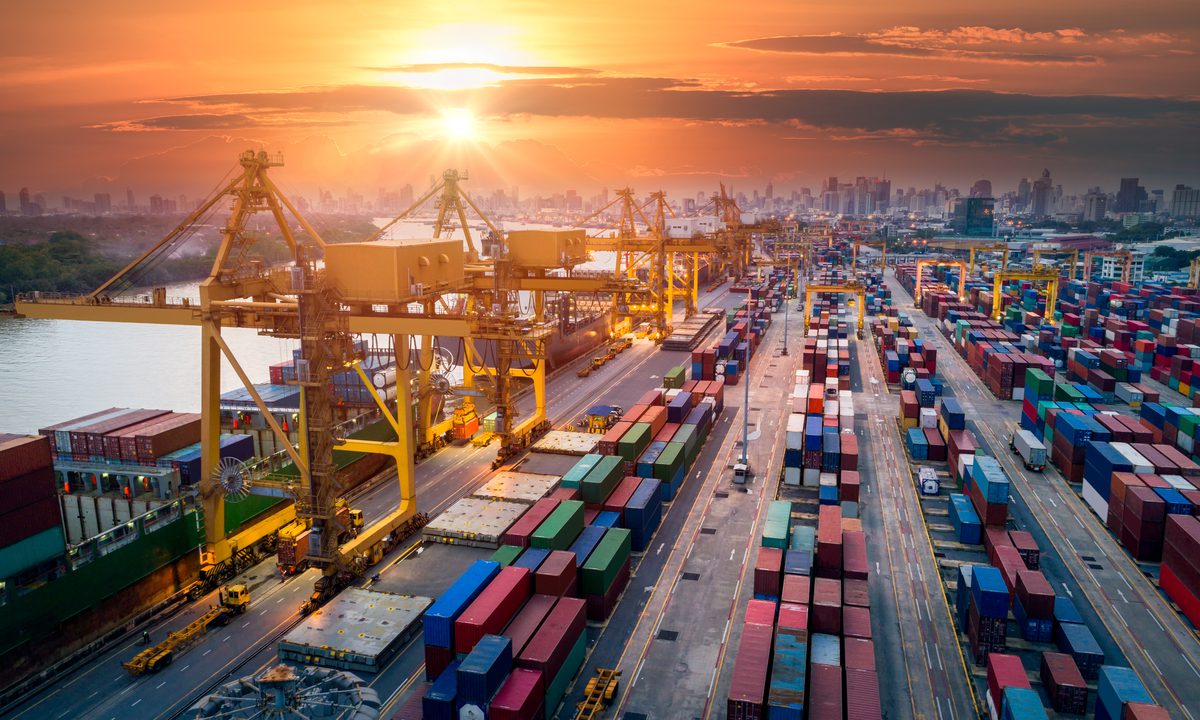
The war in Iran has reshaped global trade patterns around air freight and shipping, directly impacting energy supply chains as well as high-value goods like electronics and pharmaceuticals. Unlike earlier disruptions such as the Russia-Ukraine war or Red Sea attacks, this crisis centers on the Strait of Hormuz, where ship attacks and security risks have reduced non-Iranian sea traffic to near standstill. Aviation corridors over the Middle East are also disrupted, with logistics hubs including Dubai, Abu Dhabi, and Doha facing route closures.

Digital Trade Infrastructure Enables Rapid Response

Paper-based trade processes—including physical bills of lading, inspection certificates, and letters of credit—are proving inadequate during rapid rerouting. These documents often move via courier networks rather than digital platforms, causing delays when shipments change course. In contrast, companies with integrated digital trade platforms can amend documentation electronically, update insurers, and adjust financing terms in near real time.

  • Digitized companies respond to disruptions within hours
  • Manual-process organizations may require days to coordinate changes across banks, insurers, and logistics providers
  • Longer transit times tie up working capital, increasing financial pressure—especially for smaller exporters operating on thin margins

Working Capital Strain and Financial Adaptation

When shipments take longer to arrive, inventory remains tied up in transit—extending the period companies must finance goods while still paying suppliers on schedule. The 2025–2026 Growth Corporates Working Capital Index: Research Report Data Book, a PYMNTS Intelligence report commissioned by Visa, identifies virtual cards, dynamic discounting platforms, supply chain finance programs, and embedded payment networks as tools that help extend payment cycles while ensuring suppliers receive early cash access.

Logistics and Insurance Ripple Effects

Shipping companies are avoiding Gulf ports and nearby waters due to missile strike, drone attack, and naval confrontation risks. This alters container repositioning, causes port bottlenecks, and triggers shortages of equipment. War risk insurance costs have surged as geopolitical tensions rise. Banks and insurers are responding by integrating digital tools—including automated compliance checks, digital identity verification, and electronic documentation—to accelerate transaction approvals.

Source: www.pymnts.com

Compiled from international media by the SCI.AI editorial team.

Ask SCI.AI Finished reading? Continue with SCI.AI. Explore the related policy, route, company and historical context. Continue asking
BlueGrace acquires Idaho 3PL Truk TMS to expand Pacific Northwest LTL
AI & Automation

BlueGrace acquires Idaho 3PL Truk TMS to expand Pacific Northwest LTL

BlueGrace Logistics has acquired Idaho-based third-party logistics provider Truk TMS to strengthen its presence in the Pacific Northwest. The deal brings Truk TMS—previously a BlueGrace partner—fully into the company’s ecosystem, granting its customers access to BlueGrace’s Managed Logistics platform and BlueShip technology. Financial terms remain undisclosed. BlueGrace, headquartered in Tampa, Florida, serves over 10,000 customers from nine offices across the U.S. and Mexico and operates a carrier network exceeding 250,000. As a Warburg Pincus portfolio company, BlueGrace previously acquired STB Freight Group and FreightCenter in 2025. Truk TMS CEO Mark Barnes emphasized continuity of service backed by expanded capabilities.

BMW cuts 8,000 jobs by 2027 amid EU supply chain retooling
Procurement

BMW cuts 8,000 jobs by 2027 amid EU supply chain retooling

BMW plans to cut ~8,000 global positions by 2027 — primarily in administration and development — as shrinking margins (down to 2.3% in automotive) and collapsing China deliveries (−30.2% Q2) force structural change. Simultaneously, EU industrial policy pushes for regionalized, policy-aligned auto sourcing. New CEO Milan Nedeljkovic is revisiting 'untouchable' processes across procurement, production, and development — highlighting how lean operations now collide with geopolitical supply chain constraints.

U.S. CEOs Would Pay 17% Premium for Supply Chain Resilience
Procurement

U.S. CEOs Would Pay 17% Premium for Supply Chain Resilience

A Proxima survey of over 500 global CEOs reveals that more than 80% of U.S. executives estimate up to 20% of revenue would be at risk from a two-week disruption among their top three suppliers. The 104 U.S.-based respondents said they would accept an average 17% increase in third-party supplier costs to ensure resilience—70% would accept 11% or more. Geopolitical tensions (30%) topped threat concerns, while 47% reported experiencing a cyber-related supply chain disruption in the past 24 months. Only 39% had conducted a full cyber resilience stress-test in the last year.

Welcome Back!

Login to your account below

Create New Account!

Fill the forms below to register

Retrieve your password

Please enter your username or email address to reset your password.

Scan to share via WeChat

Open WeChat and scan the QR code to share

QR Code

Add New Playlist

