Skip to content

Geopolitics

Japan Auto Sales Down 7.1% in 2026; EV Penetration Stalls at 3.1%

Japan’s auto sales fell 7.1% YTD through February 2026, with Toyota down 11.6% and Nissan slipping to fifth place. EV penetration remains at just 3.1%, trailing regional peers; Mitsubishi led EV sales with 26% growth and 54.2% segment share. Total industry volume reached 3.82 million units in 2025 (+2.9%), still well below 2014 highs. EV sales dropped 7.7% in 2025 to 93,584 units, reflecting entrenched hybrid preference, limited battery supply chain scale, and hydrogen-focused energy policy. Supply chain professionals face extended hybrid component demand and emerging hydrogen logistics requirements.

Original source: Source information pending

Japan Auto Sales Down 7.1% in 2026; EV Penetration Stalls at 3.1%
📋 本文要点

Japan’s auto sales fell 7.1% YTD through February 2026, with Toyota down 11.6% and Nissan slipping to fifth place. EV penetration remains at just 3.1%, trailing regional peers; Mitsubishi led EV sales with 26% growth and 54.2% segment share. Total industry volume reached 3.82 million units in 2025 (+2.9%), still well below 2014 highs. EV sales dropped 7.7% in 2025 to 93,584 units, reflecting entrenched hybrid preference, limited battery supply chain scale, and hydrogen-focused energy policy. Supply chain professionals face extended hybrid component demand and emerging hydrogen logistics requirements.

According to www.focus2move.com, Japan’s year-to-date auto sales through February 2026 fell 7.1%, with market leader Toyota down 11.6% and Nissan slipping 4.9% — dropping one ranking position to fifth place.

Market Share Shifts Amid Broad Decline

Toyota retained first place with a 31.8% share (−11.6%), followed by Suzuki (16.2%, −5.7%), Honda (13.4%, −3.4%), Daihatsu (up one spot to fourth, 9.9%, −0.1%), and Nissan at fifth (7.2%, −4.9%). Mazda ranked sixth (5.3%, −15.1%), Subaru eighth (4.1%, −14.5%), Lexus ninth (3.8%, +0.7%), and Mercedes-Benz tenth (2.9%, −7.3%). Mitsubishi rose to seventh (3.5%, +15%).

Model-level performance reflected broader volatility: the Honda N-Box remained Japan’s top-selling vehicle despite a 0.5% year-on-year decline; the Suzuki Spacia overtook the Toyota Yaris — which plunged 28.7% to third place.

EV Adoption Remains Stubbornly Low

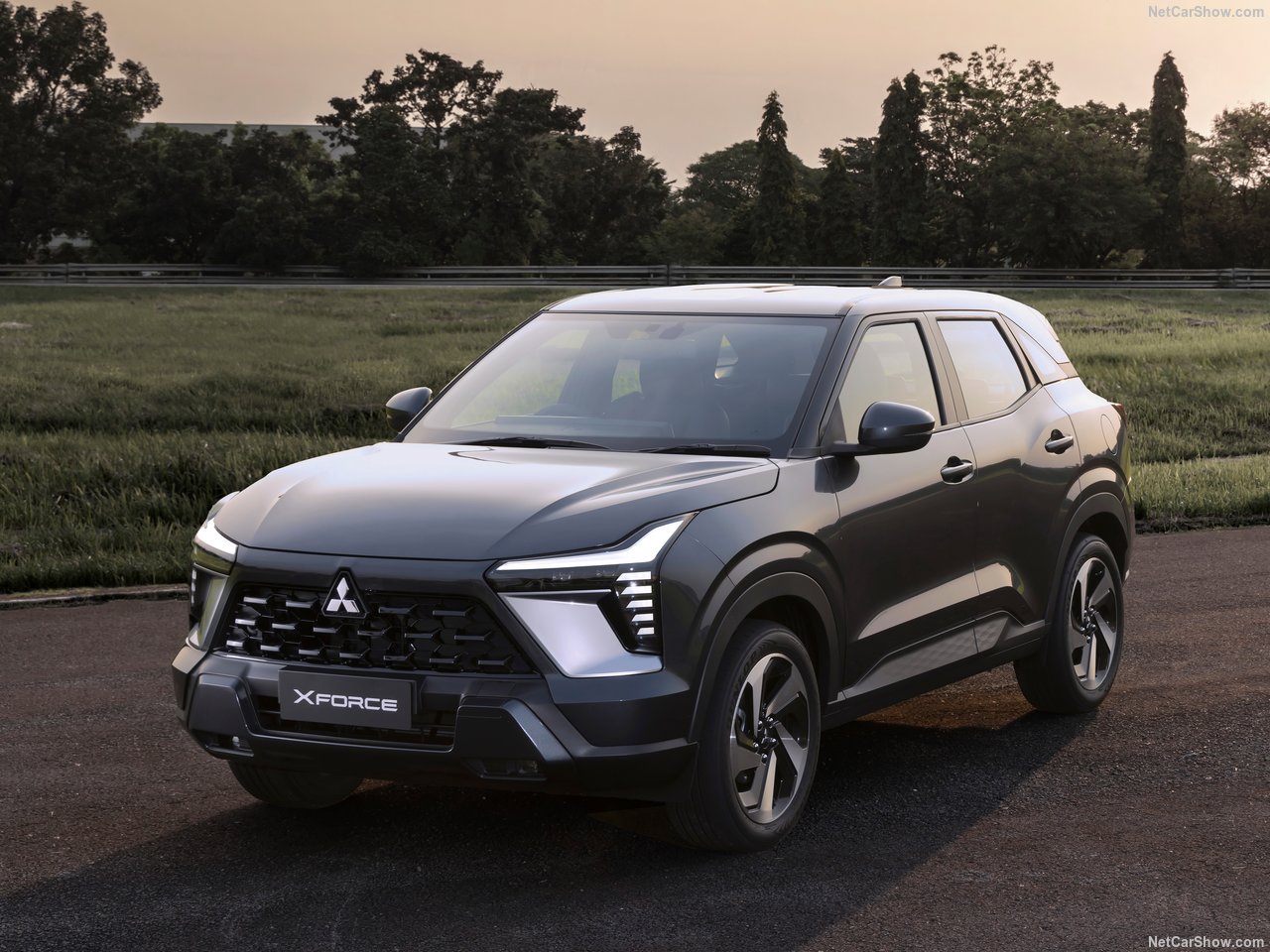
Electric vehicle adoption in Japan continues to lag regional peers, with EVs accounting for just 3.1% of total new vehicle sales. Mitsubishi led EV sales with 26% growth and a 54.2% segment share, followed by Nissan and Toyota. Tesla failed to enter the top three.

The government maintains ambitious electromobility targets, but structural headwinds persist: strong consumer preference for hybrid vehicles, limited EV model variety, underdeveloped large-scale battery supply chains, and energy security priorities that have elevated hydrogen as a parallel strategic focus.

Medium-Term Market Trajectory

  • Total industry sales stood at 3.82 million units in 2025 (+2.9% vs. 2024), recovering modestly from 3.72 million in 2024 (−6.7%)
  • 2023 saw a rebound to nearly 4 million units (+15.8%), but momentum proved fragile
  • 2020 pandemic impact caused an 11.1% contraction; sales remain significantly below 2014 levels
  • EV sales peaked in 2023 after doubling, then declined 5% in 2024 and a further 7.7% in 2025 to 93,584 units

Supply Chain Implications for Global Practitioners

For global supply chain professionals, Japan’s stalled EV transition signals continued reliance on hybrid powertrain components — particularly nickel-metal hydride and lithium-ion battery systems optimized for HEVs/PHEVs rather than BEVs. This delays demand for high-nickel cathode materials, 800V architecture components, and ultra-fast charging infrastructure hardware. Meanwhile, automakers’ ongoing investments in hydrogen fuel cell logistics (e.g., Toyota’s Mirai supply chain and port-based hydrogen import terminals in Kobe and Yokohama) are creating niche but growing requirements for cryogenic transport, high-pressure vessel certification, and green hydrogen traceability — all demanding new supplier qualifications and cross-border compliance protocols. The persistent dominance of kei cars (like the N-Box and Spacia) also reinforces demand for compact, high-efficiency logistics networks, localized Tier-2/3 supplier clusters, and JIT delivery resilience amid Japan’s aging driver workforce and shrinking last-mile labor pool.

Source: www.focus2move.com

Compiled from international media by the SCI.AI editorial team.

Ask SCI.AI Finished reading? Continue with SCI.AI. Explore the related policy, route, company and historical context. Continue asking
BlueGrace acquires Idaho 3PL Truk TMS to expand Pacific Northwest LTL
AI & Automation

BlueGrace acquires Idaho 3PL Truk TMS to expand Pacific Northwest LTL

BlueGrace Logistics has acquired Idaho-based third-party logistics provider Truk TMS to strengthen its presence in the Pacific Northwest. The deal brings Truk TMS—previously a BlueGrace partner—fully into the company’s ecosystem, granting its customers access to BlueGrace’s Managed Logistics platform and BlueShip technology. Financial terms remain undisclosed. BlueGrace, headquartered in Tampa, Florida, serves over 10,000 customers from nine offices across the U.S. and Mexico and operates a carrier network exceeding 250,000. As a Warburg Pincus portfolio company, BlueGrace previously acquired STB Freight Group and FreightCenter in 2025. Truk TMS CEO Mark Barnes emphasized continuity of service backed by expanded capabilities.

CBP pays $100B in IEEPA tariff refunds amid DOJ appeal
Geopolitics

CBP pays $100B in IEEPA tariff refunds amid DOJ appeal

U.S. Customs and Border Protection has paid $100 billion in IEEPA tariff refunds as of July 31, 2026 — part of a $166 billion total revenue pool targeted for return to importers. The disbursements stem from $128.68 billion accepted via CBP’s April-launched portal, though final-liquidation processing remains blocked pending a Department of Justice appeal. Major recipients include Amazon ($600 million), Walmart, and BJ’s Wholesale Club, with firms deploying funds toward customer refunds and price cuts. The unresolved appeal continues to constrain full access to remaining refunds.

Freight Hero raises $5M for broker back-office operations
AI & Automation

Freight Hero raises $5M for broker back-office operations

Freight Hero, a Durham, North Carolina-based startup, has raised $5 million in seed funding led by Field Ventures to expand its back-office operations service for freight brokers. The company manages shipments end-to-end—from rate confirmation through proof of delivery—using AI agents that handle over 90% of load touches, supplemented by human 'Heroes' for exceptions. With more than 50,000 loads managed by end-July 2026 and customers reporting 100%-plus ROI, Freight Hero converts fixed labor costs into variable ones. Ally Logistics, a Michigan brokerage, achieved 82.4% year-over-year revenue growth without increasing operations headcount. The $19 billion brokerage sector faces margin pressure amid the aftermath of the Great Freight Recession.

Welcome Back!

Login to your account below

Create New Account!

Fill the forms below to register

Retrieve your password

Please enter your username or email address to reset your password.

Scan to share via WeChat

Open WeChat and scan the QR code to share

QR Code

Add New Playlist