Skip to content

Geopolitics

Qatar LNG Crisis Threatens Semiconductor & Steel Supply Chains

Qatar’s LNG force majeure declaration has sent shockwaves through South Korea’s semiconductor, steel, and shipping industries. With Qatar supplying 65% of South Korea’s helium — vital for chip manufacturing — and Ras Laffan accounting for one-third of global helium output, spot prices surged 100% in two weeks. Companies hold ~6 months of helium inventory but face tightening procurement conditions. Steelmakers like Hyundai Steel and POSCO use LNG for power and processing, while 15 Korean LNG carriers under QatarEnergy charter face contractual and routing risks. Iranian transit fees up to $2M per Hormuz passage further undermine Middle East energy economics.

Original source: Source information pending

Qatar LNG Crisis Threatens Semiconductor & Steel Supply Chains
📋 本文要点

Qatar’s LNG force majeure declaration has sent shockwaves through South Korea’s semiconductor, steel, and shipping industries. With Qatar supplying 65% of South Korea’s helium — vital for chip manufacturing — and Ras Laffan accounting for one-third of global helium output, spot prices surged 100% in two weeks. Companies hold ~6 months of helium inventory but face tightening procurement conditions. Steelmakers like Hyundai Steel and POSCO use LNG for power and processing, while 15 Korean LNG carriers under QatarEnergy charter face contractual and routing risks. Iranian transit fees up to $2M per Hormuz passage further undermine Middle East energy economics.

According to en.sedaily.com, Qatar’s declaration of force majeure on liquefied natural gas (LNG) supplies has triggered cascading concerns across South Korea’s semiconductor, steel, and shipping sectors — with helium shortages emerging as a critical vulnerability for advanced chip manufacturing.

Helium Shortage Risks Advanced Semiconductor Production

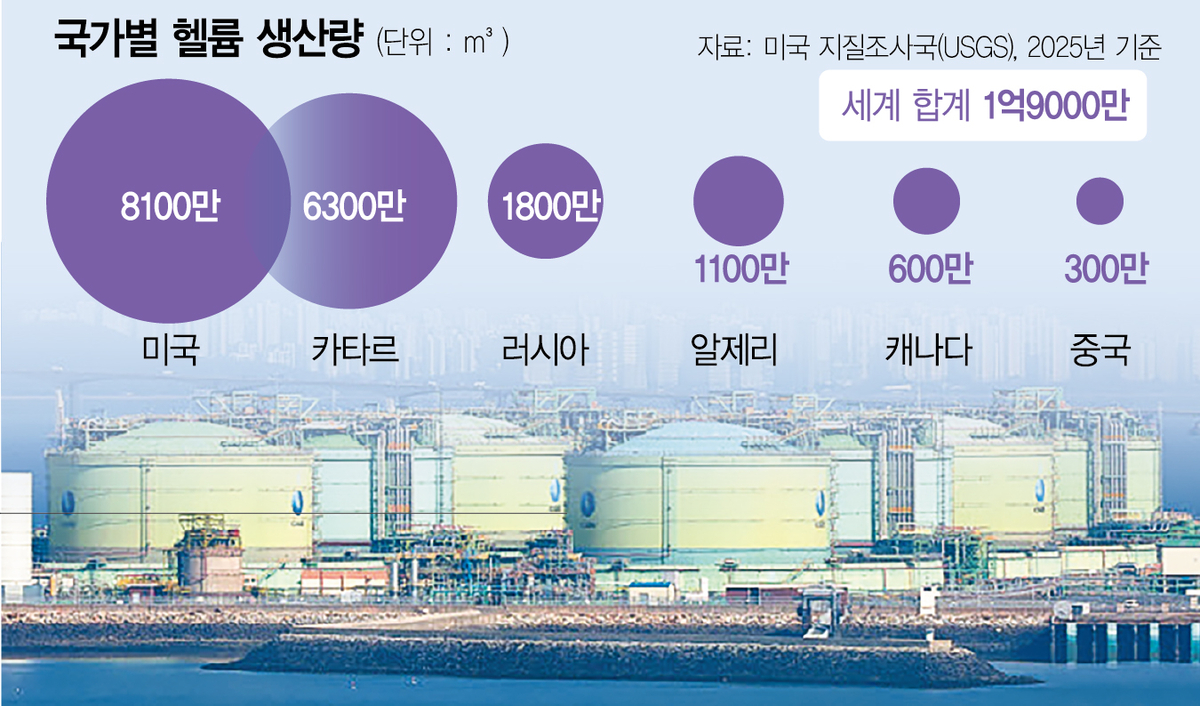
Helium — essential for wafer cooling and precision processes in semiconductor fabrication — is produced as a byproduct during LNG refining and liquefaction. With South Korea importing 65% of its helium from Qatar, the disruption carries outsized impact. The Ras Laffan LNG facility, operated by QatarEnergy, accounts for one-third of global helium supply, and its force majeure declaration has already driven helium spot prices up 100% in just two weeks.

Domestic companies currently hold approximately six months’ worth of helium inventory and report having secured alternative supply sources. However, procurement conditions are deteriorating rapidly. IBK Investment & Securities warned that prolonged disruption could escalate into a bottleneck for advanced semiconductor manufacturing and AI infrastructure development.

“If the dispute drags on, it could escalate into a bottleneck risk for advanced semiconductor manufacturing and AI infrastructure buildout.” — Lee Dong-wook, researcher at IBK Investment & Securities

Hana Bank
Hana Bank

Steelmakers Face Dual Fuel and Energy Exposure

South Korea’s steel industry is also exposed: LNG serves both as fuel for captive power generation and as a raw material in semi-finished product processing. Hyundai Steel uses LNG to generate electricity at its Dangjin steelworks, while POSCO — though primarily reliant on blast furnace byproduct gases — also incorporates LNG into its energy mix.

Hana Bank
Hana Bank

Shipping Firms Navigate Contractual Uncertainty

Three Korean shipping companies — Pan Ocean, H-Line Shipping, and SK Shipping — each operate five vessels (15 total) under long-term charter contracts with QatarEnergy. Most charters guarantee fixed fees regardless of cargo loading, but one SK Shipping vessel positioned inside the Strait of Hormuz faces potential contract termination. Rising reliance on alternative routes may increase working capital demands, straining cash flow during scheduled loan principal and interest repayments tied to ship financing.

Geopolitical Shifts Reshape Energy Sourcing Strategy

The crisis is accelerating South Korea’s strategic pivot away from Middle Eastern energy dependence. Iranian authorities began imposing transit fees of up to $2 million (≈3 billion won) per passage through the Strait of Hormuz starting Saturday local time — eroding the traditional cost advantage of Middle Eastern crude over North American or African alternatives. Even if U.S.-Iran negotiations yield a ceasefire, analysts stress that infrastructure remains vulnerable to recurring geopolitical shocks, heightening risk for long-term regional energy contracts.

Source: en.sedaily.com

Compiled from international media by the SCI.AI editorial team.

Ask SCI.AI Finished reading? Continue with SCI.AI. Explore the related policy, route, company and historical context. Continue asking
BlueGrace acquires Idaho 3PL Truk TMS to expand Pacific Northwest LTL
AI & Automation

BlueGrace acquires Idaho 3PL Truk TMS to expand Pacific Northwest LTL

BlueGrace Logistics has acquired Idaho-based third-party logistics provider Truk TMS to strengthen its presence in the Pacific Northwest. The deal brings Truk TMS—previously a BlueGrace partner—fully into the company’s ecosystem, granting its customers access to BlueGrace’s Managed Logistics platform and BlueShip technology. Financial terms remain undisclosed. BlueGrace, headquartered in Tampa, Florida, serves over 10,000 customers from nine offices across the U.S. and Mexico and operates a carrier network exceeding 250,000. As a Warburg Pincus portfolio company, BlueGrace previously acquired STB Freight Group and FreightCenter in 2025. Truk TMS CEO Mark Barnes emphasized continuity of service backed by expanded capabilities.

CBP pays $100B in IEEPA tariff refunds amid DOJ appeal
Geopolitics

CBP pays $100B in IEEPA tariff refunds amid DOJ appeal

U.S. Customs and Border Protection has paid $100 billion in IEEPA tariff refunds as of July 31, 2026 — part of a $166 billion total revenue pool targeted for return to importers. The disbursements stem from $128.68 billion accepted via CBP’s April-launched portal, though final-liquidation processing remains blocked pending a Department of Justice appeal. Major recipients include Amazon ($600 million), Walmart, and BJ’s Wholesale Club, with firms deploying funds toward customer refunds and price cuts. The unresolved appeal continues to constrain full access to remaining refunds.

Freight Hero raises $5M for broker back-office operations
AI & Automation

Freight Hero raises $5M for broker back-office operations

Freight Hero, a Durham, North Carolina-based startup, has raised $5 million in seed funding led by Field Ventures to expand its back-office operations service for freight brokers. The company manages shipments end-to-end—from rate confirmation through proof of delivery—using AI agents that handle over 90% of load touches, supplemented by human 'Heroes' for exceptions. With more than 50,000 loads managed by end-July 2026 and customers reporting 100%-plus ROI, Freight Hero converts fixed labor costs into variable ones. Ally Logistics, a Michigan brokerage, achieved 82.4% year-over-year revenue growth without increasing operations headcount. The $19 billion brokerage sector faces margin pressure amid the aftermath of the Great Freight Recession.

Welcome Back!

Login to your account below

Create New Account!

Fill the forms below to register

Retrieve your password

Please enter your username or email address to reset your password.

Scan to share via WeChat

Open WeChat and scan the QR code to share

QR Code

Add New Playlist