

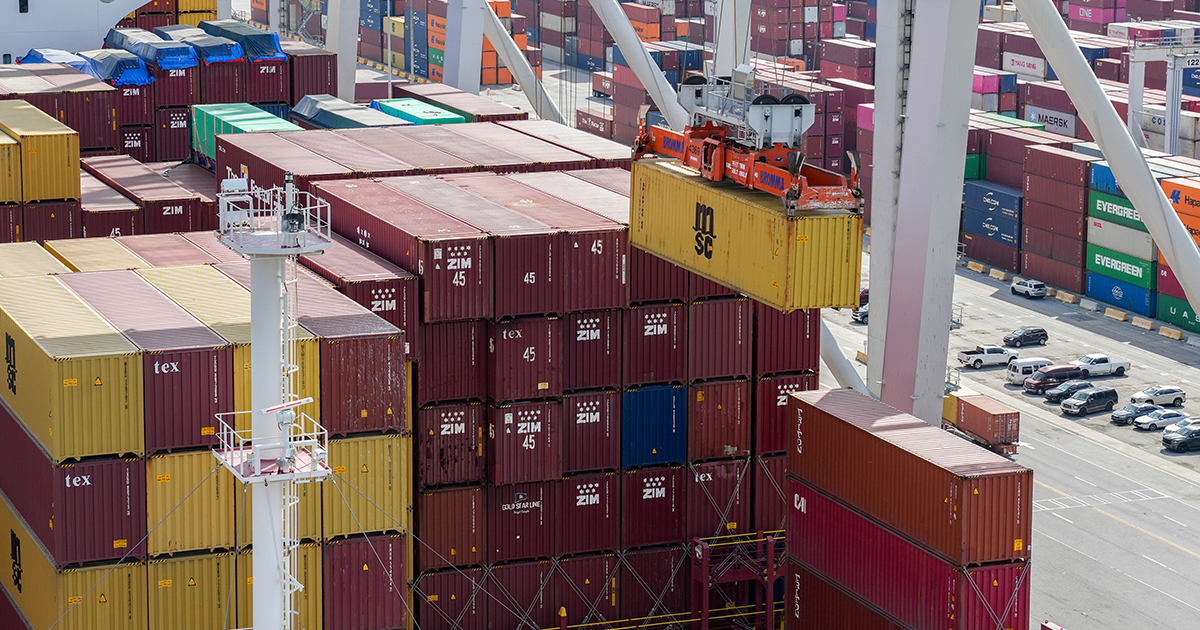
China has launched formal trade investigations against the United States ahead of the anticipated Xi-Trump summit, according to www.ttnews.com. While specific targets and timelines are not disclosed in the source, the move signals renewed trade friction with direct implications for global supply chains. Supply chain professionals must now reassess exposure to U.S. exports vulnerable to Chinese import restrictions, reinforce customs and logistics contingency plans, and integrate geopolitical risk triggers into supplier risk frameworks. This action aligns with broader trends: the U.S. opened 47 trade defense cases against China since 2021, and the EU initiated 12 in 2023. Such probes increasingly drive nearshoring, dual-sourcing, and enhanced supply chain visibility investments.
According to www.ttnews.com, China has initiated formal trade investigations against the United States in the days preceding the anticipated summit between President Xi Jinping and former U.S. President Donald Trump.
Timing and Context
The launch of these probes coincides with heightened diplomatic activity and follows escalating trade tensions between the two nations. While the article does not specify the exact date of initiation or name the targeted U.S. products or sectors, it confirms the action is official and underway. This move comes amid broader global supply chain recalibrations — including widespread efforts by multinational companies to diversify sourcing away from single-country dependencies, accelerate nearshoring and friend-shoring initiatives, and strengthen supply chain visibility and risk monitoring systems.
Industry Precedents and Parallel Actions
Such bilateral trade investigations are not unprecedented. In recent years, the U.S. International Trade Commission (USITC) has launched over 47 antidumping and countervailing duty investigations targeting Chinese imports since 2021 alone, per USITC public data. Similarly, the European Union opened 12 trade defense cases against China in 2023, including probes into electric vehicles and solar panels. These actions reflect a structural shift: trade policy is now deeply interwoven with supply chain strategy, as governments treat import controls not only as economic tools but also as instruments for industrial policy and strategic resilience.
Practical Implications for Supply Chain Professionals
- Importers and procurement teams must immediately audit exposure to U.S.-origin goods potentially subject to new Chinese tariffs or licensing restrictions — especially in high-risk categories such as semiconductors, agricultural equipment, and certain chemicals.
- Logistics planners should stress-test contingency routes and customs clearance protocols, particularly for shipments transiting major Chinese ports like Shanghai or Shenzhen, where enforcement of new trade measures may be prioritized.
- Risk management frameworks must now explicitly integrate geopolitical risk triggers, including real-time monitoring of trade probe announcements from key jurisdictions — a capability increasingly supported by regulatory compliance platforms used by firms like Maersk and DHL.
- Supplier diversification timelines may need acceleration: a 2023 Gartner survey found that 68% of global supply chain leaders cited trade policy volatility as a top-three driver behind nearshoring decisions.
Source: Transport Topics
This article was AI-assisted and reviewed by our editorial team.


