Skip to content

Coverage desk

Southeast Asia

146 published stories

Vietnam Airlines launches first freighter in Q3 2026 amid 80% foreign cargo dominance
Southeast Asia Supply Chain

Vietnam Airlines launches first freighter in Q3 2026 amid 80% foreign cargo dominance

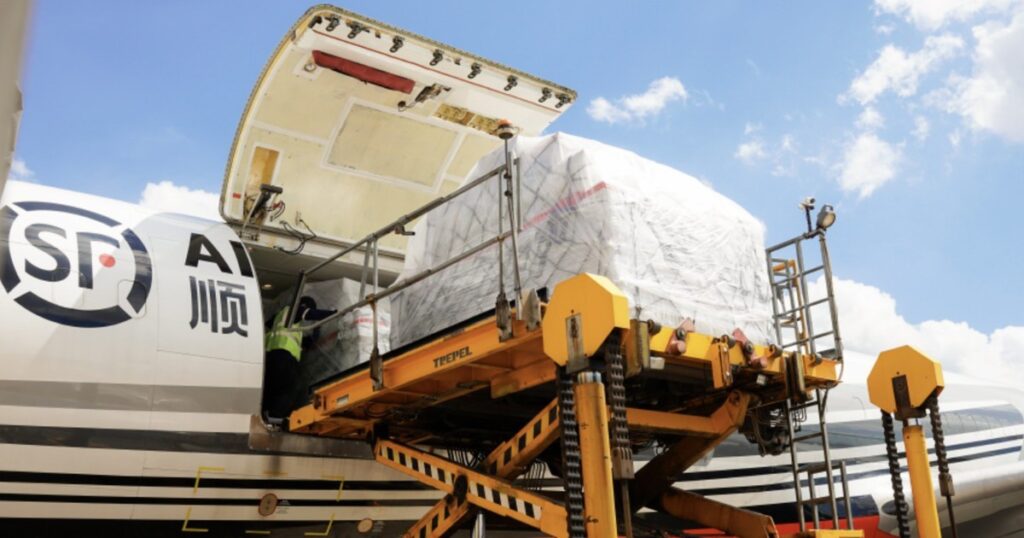
Vietnam Airlines will launch its first dedicated freighter in Q3 2026 amid record cargo volumes — 1.8 million tonnes in 2025, 920,900 tonnes in H1 2026 — yet foreign carriers still hold over 80% of international air cargo revenue. With Long Thanh Airport opening in December 2026 and ground-handling shifts underway (including Vietjet’s April 2025 move away from SAGS), Vietnam aims to capture more value across the air cargo chain. Korean Air projects 50,000 tonnes of cargo in Vietnam this year, up from 16,000 tonnes in 2024.

Precious Shipping receives $11m Hormuz war risk payout
Disruptions

Precious Shipping receives $11m Hormuz war risk payout

Precious Shipping has received an $11 million war risk insurance payout related to vessel operations in the Strait of Hormuz, following multiple route diversions and heightened threat assessments in early 2026. The claim — one of the largest publicly disclosed this year — reflects surging marine war risk premiums, which jumped from 0.07% to 0.25% of insured value between January and May 2026. Seven of the Thai dry bulk operator’s vessels were rerouted, adding 12 days per voyage and raising bunker costs by 18%. Industry-wide, war risk premiums rose 42% year-on-year, forcing supply chain professionals to treat geopolitical exposure as a quantifiable cost in freight contracting and cargo insurance.

Indonesia Textile Exports to Grow 4% by 2027 Amid Supply Chain Push
Southeast Asia Supply Chain

Indonesia Textile Exports to Grow 4% by 2027 Amid Supply Chain Push

Indonesia’s textile and textile products (TPT) exports are forecast to grow up to 4% in 2027, per the Indonesia Eximbank Institute. Growth hinges on supply chain integration, production modernization, and expanded export financing — notably through LPEI’s pre- and post-shipment loans, Trade Credit Insurance, and marine cargo coverage. Current TPT export growth stands at 1.3%, projected to rise to 2–3.2% in 2026 and 3.5–4% in 2027. Finished fabric contributes 74% of TPT exports, while global buyers increasingly prioritize sustainability, traceability, and compliance over price alone.

Vietnam International Logistics Expo 2026 Opens with 450 Firms from 22 Countries
Southeast Asia Supply Chain

Vietnam International Logistics Expo 2026 Opens with 450 Firms from 22 Countries

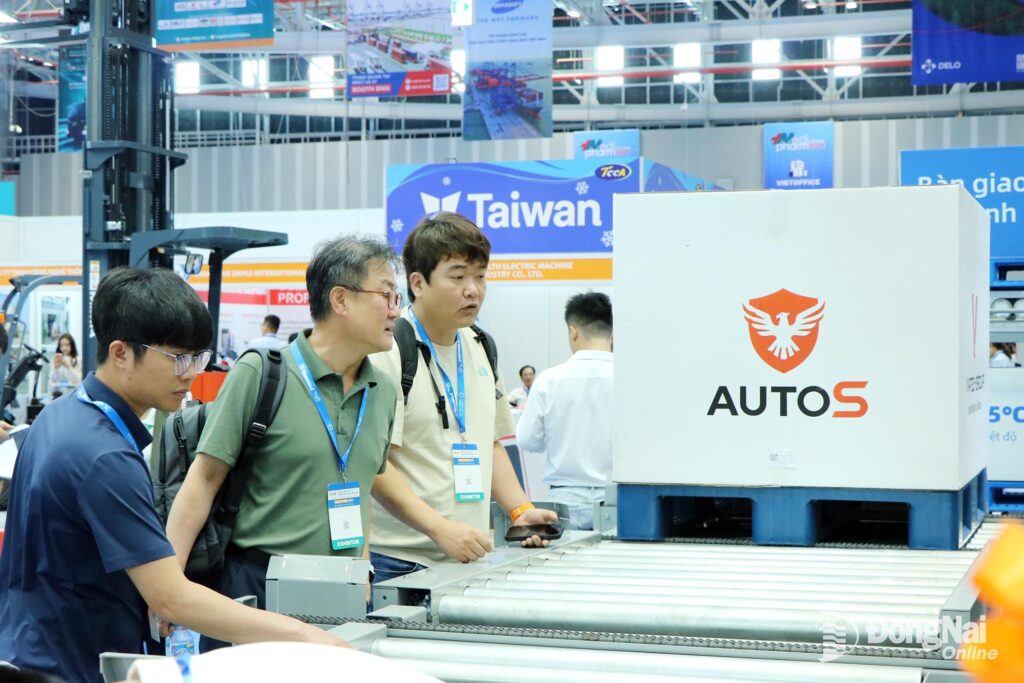
Vietnam's 4th International Logistics Exhibition (VILOG 2026) opened on 30 July 2026 in Hồ Chí Minh City, drawing 450 companies from 22 countries across 550 booths. The event spotlighted AI-driven logistics ecosystems, warehouse robotics, electric material-handling equipment, and green port infrastructure. Officials from the Ministry of Industry and Trade and VLA emphasized technology, sustainability, and standardization as pillars for Vietnam’s logistics modernization. Key activities included VILOG Talk sessions and site visits to AJ Total Vietnam’s cold storage and Tân Cảng Hiệp Phước Port.

Indonesia, Singapore Reaffirm Free Passage in Strait of Malacca
Southeast Asia Supply Chain

Indonesia, Singapore Reaffirm Free Passage in Strait of Malacca

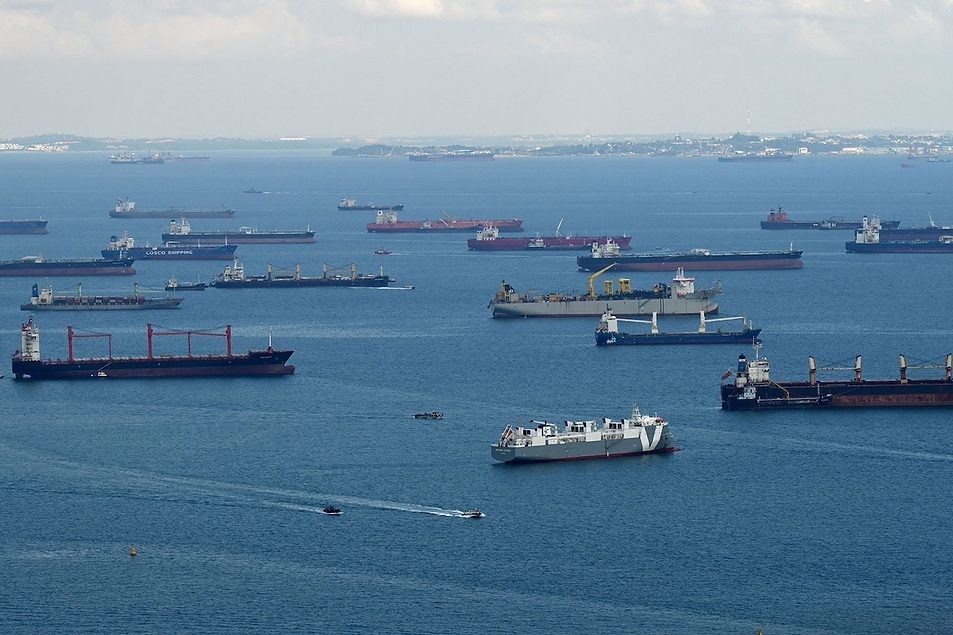
Indonesia and Singapore have jointly reaffirmed their commitment to free passage in the Strait of Malacca — a critical corridor handling 30% of global maritime trade. The agreement, reinforced in May 2024, includes integrated AIS databases by Q4 2025, joint patrols under the 2004 Trilateral Cooperative Arrangement, and digital infrastructure alignment with national logistics platforms. Over 80,000 vessels transit the strait annually, with 25% of global oil shipments and 37 million TEUs moving through Singapore’s Keppel Terminal in 2023. Patrols increased 22% between 2022 and 2024, covering 1,000 nautical miles.

World Bank: 28% of East Asia’s Ships Over 20 Years Old
Disruptions

World Bank: 28% of East Asia’s Ships Over 20 Years Old

A World Bank report identifies critical vulnerabilities in East Asia’s maritime supply chains, including 28% of vessels over 20 years old, 18% older than 25 years, and port-related CO₂e emissions of 21.5 million tonnes annually. It highlights how digital scheduling could cut port-area emissions by 25%, while green methanol production remains at just 0.034 million tonnes — far short of the 13.2 million tonnes in feasibility planning. With 40% of the global seafarer workforce based in the region and 32,000+ inspections leading to 1,200 detentions in 2024, the report calls for urgent regulatory harmonisation and infrastructure investment to support decarbonisation and safety.

Indonesian Nickel Industry Presses for Rare Earth Export Clarity Amid 120 Pending Survey Reports
Southeast Asia Supply Chain

Indonesian Nickel Industry Presses for Rare Earth Export Clarity Amid 120 Pending Survey Reports

Indonesia's nickel industry is urging regulatory reform amid export delays caused by rare earth element (REE) testing mandates. As of 29 July 2026, 120 Surveyor Reports remain pending from Sulawesi, Kalimantan Barat, and Bangka Belitung. FINI’s Arif Perdanakusumah stressed that trace REEs in nickel intermediates shouldn’t trigger export bans, citing misaligned HS Code classifications and unproven REE recovery economics. Current smelting tech—including HPAL, RKEF, and OESBF—is designed for nickel—not REE extraction. With global demand softening and input costs rising, FINI calls for phased, technically grounded REE policy and shared ecosystem roles.

Thailand, Argentina emerge as top next-wave manufacturing hubs
Latin America Supply Chain

Thailand, Argentina emerge as top next-wave manufacturing hubs

Thailand and Argentina have emerged as top-tier next-wave manufacturing hubs, per Verisk Maplecroft’s July 16, 2026 assessment. Thailand leads Southeast Asia in auto and AI-driven electronics manufacturing, while Argentina leverages U.S. and EU trade deals to supply critical minerals and industrial exports. Chile serves as a lower-risk Pacific alternative. The shift reflects a strategic pivot beyond labor cost toward regulatory stability, market openness, and access to strategic industries—factors deteriorating in Vietnam and Malaysia since 2024. Companies acting early to build supplier relationships and test entry strategies gain decisive advantage amid rising geopolitical risk.

Vietnam Targets 80% Digital Adoption in Agri-Logistics by 2030
Southeast Asia Supply Chain

Vietnam Targets 80% Digital Adoption in Agri-Logistics by 2030

Vietnam’s Agri-Logistics Digital Transformation Plan (2026–2030) mandates that 80% of agricultural logistics enterprises adopt digital technologies by 2030. The plan allocates VND 2.3 trillion ($92M) to support IoT, AI routing, blockchain traceability, and ERP integration. It targets 15–20% logistics cost reduction and 25% lower post-harvest losses. Six priority corridors will require e-certificates by 2028, cutting customs clearance time by 40%. At least 120 firms—including Vinafreight and Saigon Freight Services—will join Phase I by Q4 2026. A new national standard TCVN 12345:2026 enforces data interoperability and cybersecurity requirements.

U.S. Supply Chain Activity Remains in Contraction at 42.2
Southeast Asia Supply Chain

U.S. Supply Chain Activity Remains in Contraction at 42.2

The WOW Supply Chain Activity Index, published by Warehouse on Wheels, shows U.S. supply chain activity remained in contraction in June 2026 with a reading of 42.2 — the second straight month below the 45 threshold. The index, derived from nine data inputs including the Cass Freight Index and ISM Manufacturing PMI, has hovered between 39.0 and 43.1 since February after hitting a cycle low of 33.4 in January 2026. Current conditions feature lower freight rates, ample warehouse capacity, and limited pricing power across trucking and storage sectors. A sustained move above 45 — expected to be tested in the July and August releases — would signal stabilization.

Vietnam Faces 12.5% US Tariff, Tightens Traceability for Textiles, Electronics
Geopolitics

Vietnam Faces 12.5% US Tariff, Tightens Traceability for Textiles, Electronics

Vietnam faces a 12.5% U.S. tariff under Section 301 after being named among 60 economies under forced labour compliance investigation on 23 July 2026. In response, the Ministry of Industry and Trade issued Circular No. 31/2026/TT-BCT on 11 June 2026, mandating traceability for high-risk exports via the VeriGoods platform. Sectors including textiles, electronics, semiconductors, and renewable energy equipment must now document origins of raw materials, components, and manufacturing steps. The U.S. measure applies to inputs linked to forced labour — not just finished goods — raising compliance pressure across multi-tier supply chains. Vietnam’s domestic risk classifications diverge from U.S. assessments, requiring exporters to map deeper-tier suppliers and strengthen due diligence beyond first-tier contractors.

Indonesia’s Regulatory Gap Snarls Alumina, Nickel Exports
Disruptions

Indonesia’s Regulatory Gap Snarls Alumina, Nickel Exports

Indonesia’s absence of regulations governing trace rare earth content in non-rare-earth exports has delayed shipments of alumina, ferronickel, and mixed hydroxide precipitate (MHP) since July 2026. Though no formal ban exists, regulatory ambiguity triggered holdups affecting aluminum, stainless steel, and EV battery supply chains. Presidential Chief of Staff Dudung Abdurachman affirmed exports must not be obstructed due to the regulatory gap. The incident highlights how incidental rare earth presence—now found in 37% of global supply chain nodes—introduces compliance risk far beyond mining. With Q3 2026 disruptions coinciding with peak industrial demand, Western buyers face new traceability and legal alignment requirements.

Welcome Back!

Login to your account below

Create New Account!

Fill the forms below to register

Retrieve your password

Please enter your username or email address to reset your password.

Add New Playlist