Skip to content

Coverage desk

China

China supply chain news

152 published stories

Typhoons, Panama delays push US East Coast freight to $10,000/FEU
AI & Automation

Typhoons, Panama delays push US East Coast freight to $10,000/FEU

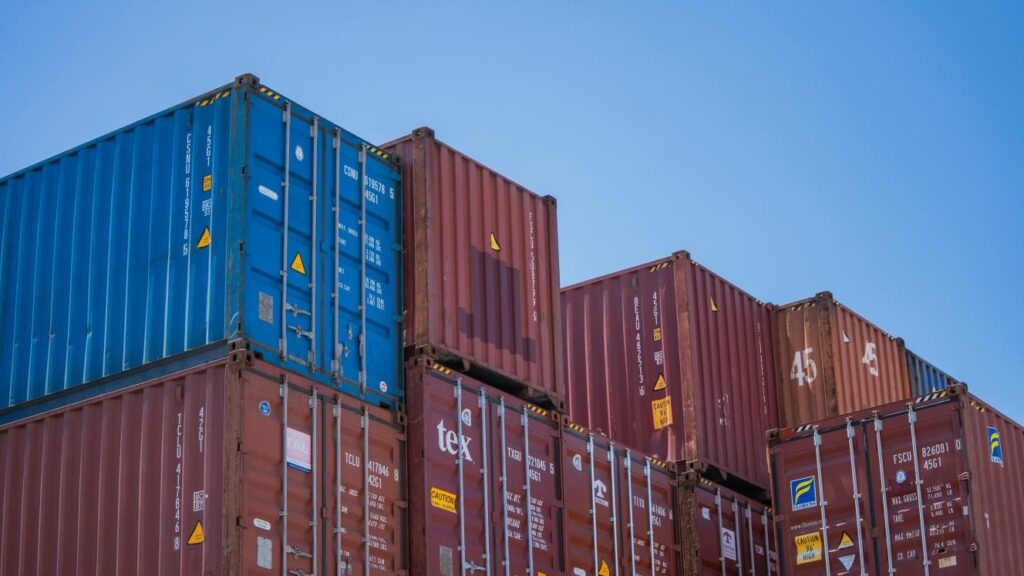
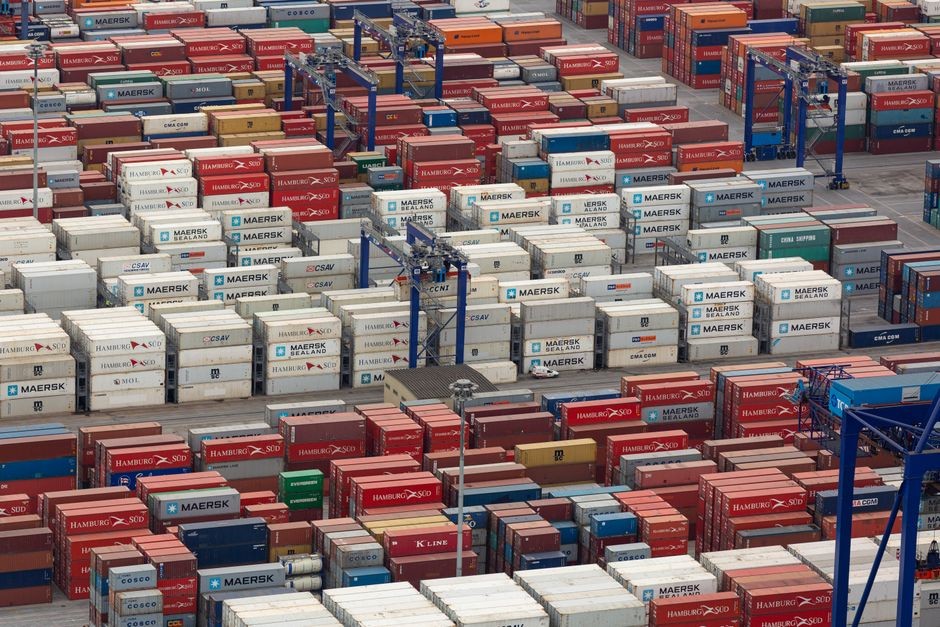
Typhoon-induced port congestion in Asia and worsening Panama Canal restrictions have pushed US East Coast container spot rates to $9,988/FEU — within $12 of the $10,000/FEU threshold — according to Xeneta data cited in Seatrade Maritime. Ted Chen of Dimerco Express Group confirmed vessels face five- to seven-day berthing delays in heavy winds, while blanked sailings and inflexible fuel/canal surcharges prevent meaningful rate declines despite softer consumer demand. US West Coast rates rose 14% and East Coast rates 13% in early August; meanwhile, Asia–Europe rates fell nearly 5%.

US sanctions Cuba’s Beijing military attache over China arms procurement
Procurement

US sanctions Cuba’s Beijing military attache over China arms procurement

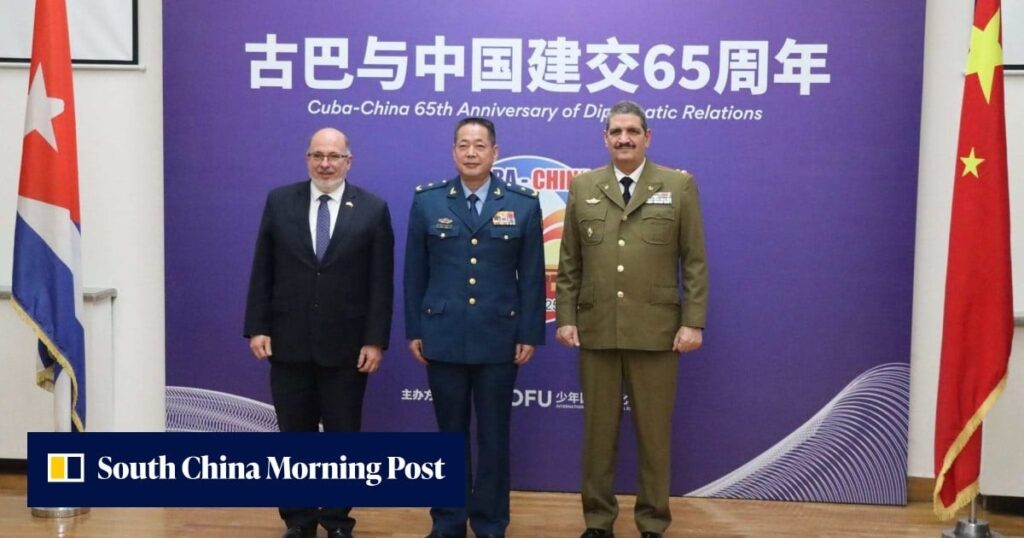
The U.S. sanctioned Waldo Perez Cortes, Cuba’s military, naval and air attache in Beijing, on 7 August 2026, accusing him of procuring military equipment from China for Cuba’s armed forces. He was among six Cuban nationals and five entities added to the Treasury’s SDN list. Perez Cortes, a senior colonel and MINFAR official, has publicly engaged with China’s People’s Liberation Army. The action reflects intensifying U.S. enforcement against third-country arms procurement networks — especially those involving China and Russia — and underscores rising geopolitical risk for supply chain actors handling defense-related logistics across Latin America.

Asia-West Africa container capacity up 30% amid port strain
Supply Chain

Asia-West Africa container capacity up 30% amid port strain

Container shipping capacity between Asia and West Africa rose almost 30% year-on-year to 1.4 million TEUs across 185 vessels as of 1 July 2026 — following a 40% jump the prior year. Ports like Durban face 80-hour average anchorage delays, while Maersk expanded services to Tema, Abidjan, Lekki, Kribi, and Pointe Noire in Q2 2026. DHL Global Forwarding reports China-Africa as its fastest-growing trade, and DP World plans a logistics hub near Mombasa. South Africa also signed a 200,000-ton soybean export deal with China on 7 August 2026.

Trump FCC bans Chinese humanoid robots, power inverters
Latin America Supply Chain

Trump FCC bans Chinese humanoid robots, power inverters

The Trump administration, via the FCC, banned U.S. imports of new Chinese humanoid and quadruped robots and grid-connected power inverters effective 28 July 2026. The move targets AI supply chain security, citing risks of data theft, cyberattacks like Volt Typhoon, and overreliance akin to China’s rare earth dominance. Unitree—holding under 20% of the global humanoid robot market—is directly affected, as are Chinese inverter leaders Sungrow (300274.SZ) and Huawei. The Chinese Embassy pledged countermeasures, while the FCC plans broad exemptions for non-Chinese suppliers.

Intra-Asia Freight Rates Fall 4%, Carriers Add Capacity
Manufacturing

Intra-Asia Freight Rates Fall 4%, Carriers Add Capacity

Intra-Asia container freight rates declined by 4% across multiple key lanes in late July 2026, including Shanghai–Nhava Sheva ($1,667/40ft), Shanghai–Jakarta ($1,475/40ft), and Shanghai–Kaohsiung ($1,433/40ft). Despite weakening demand, COSCO expanded its North-east Asia network via Yang Ming’s JTS service, while Sinotrans launched the CIW2 corridor linking China and India. Analysts attribute the softening to the end of an exceptionally busy H1 2026 for Chinese exports, with May marking an all-time export high overall — though South-east Asia shipments peaked in April. The traditional July–October peak season is losing momentum, even as carriers add capacity on high-demand routes like East Asia–Australia.

World Bank: 28% of East Asia’s Ships Over 20 Years Old
Disruptions

World Bank: 28% of East Asia’s Ships Over 20 Years Old

A World Bank report identifies critical vulnerabilities in East Asia’s maritime supply chains, including 28% of vessels over 20 years old, 18% older than 25 years, and port-related CO₂e emissions of 21.5 million tonnes annually. It highlights how digital scheduling could cut port-area emissions by 25%, while green methanol production remains at just 0.034 million tonnes — far short of the 13.2 million tonnes in feasibility planning. With 40% of the global seafarer workforce based in the region and 32,000+ inspections leading to 1,200 detentions in 2024, the report calls for urgent regulatory harmonisation and infrastructure investment to support decarbonisation and safety.

Shein posts $99M Q1 loss amid de minimis repeal
Latin America Supply Chain

Shein posts $99M Q1 loss amid de minimis repeal

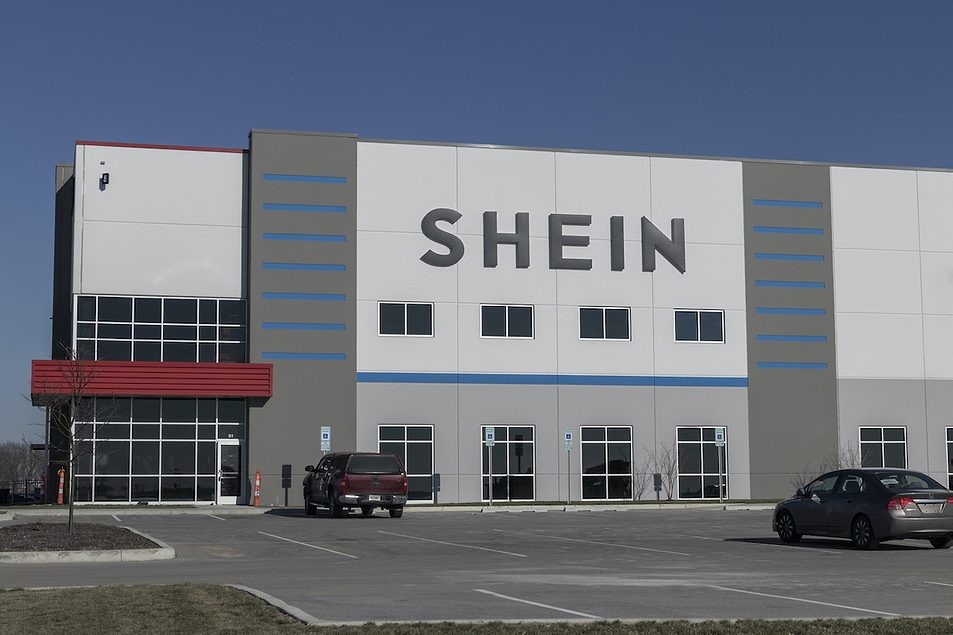
Shein reported a $99 million net loss for Q1 2026 — a sharp reversal from $395 million in profit a year earlier — driven primarily by the permanent repeal of the U.S. de minimis duty exemption in January 2025. The company cited added costs from U.S.-China tariff uncertainty and spillover effects from the U.S.-Israel war on Iran, which disrupted air cargo routes and cooled demand. Shein is raising U.S. prices and advancing its Hong Kong IPO plans while expanding nearshore manufacturing in Mexico and Vietnam. CBP has collected over $1 billion in new duties since the policy change.

US sanctions 8 Chinese, Hong Kong firms over Iranian oil shipments
Geopolitics

US sanctions 8 Chinese, Hong Kong firms over Iranian oil shipments

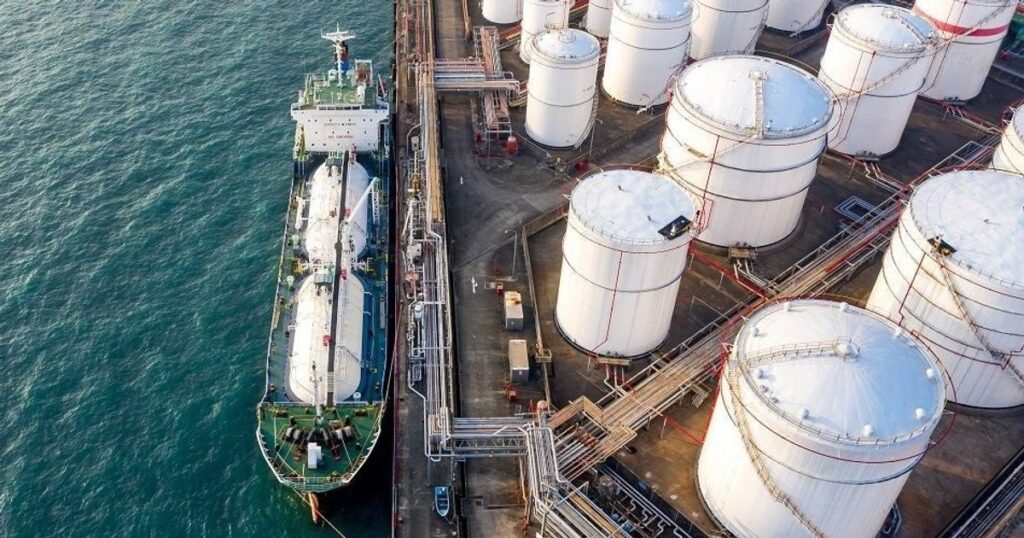
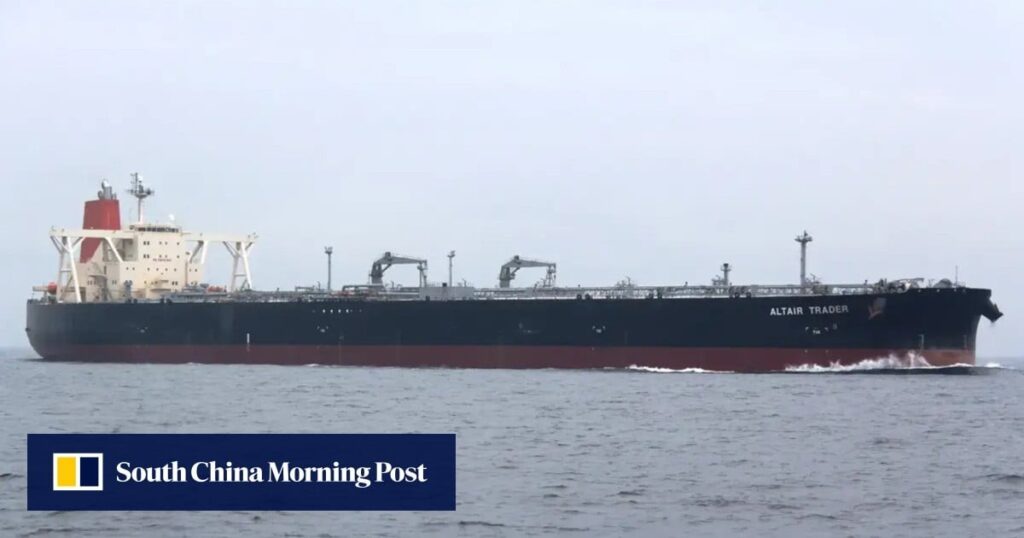
The U.S. sanctioned eight Chinese and Hong Kong shipping firms on 29 July 2026 for operating vessels in Iran’s sanctions-evading 'shadow fleet.' Six tankers were specifically accused of delivering millions of barrels of Iranian crude to China in 2026. The designations freeze U.S.-jurisdiction assets and prohibit U.S. entities from transacting with them. State Department spokesman Tommy Pigott stated the action supports U.S. Navy enforcement of a blockade on Iranian ports. Two Iranian companies forcing maritime insurance on Strait of Hormuz transit vessels were also targeted. Firms were incorporated between 2021 and 2024, with operations traced to Ningbo, Shanghai, and Hong Kong.

Chinese AI Models Capture 41% of Global Hugging Face Downloads
AI & Automation

Chinese AI Models Capture 41% of Global Hugging Face Downloads

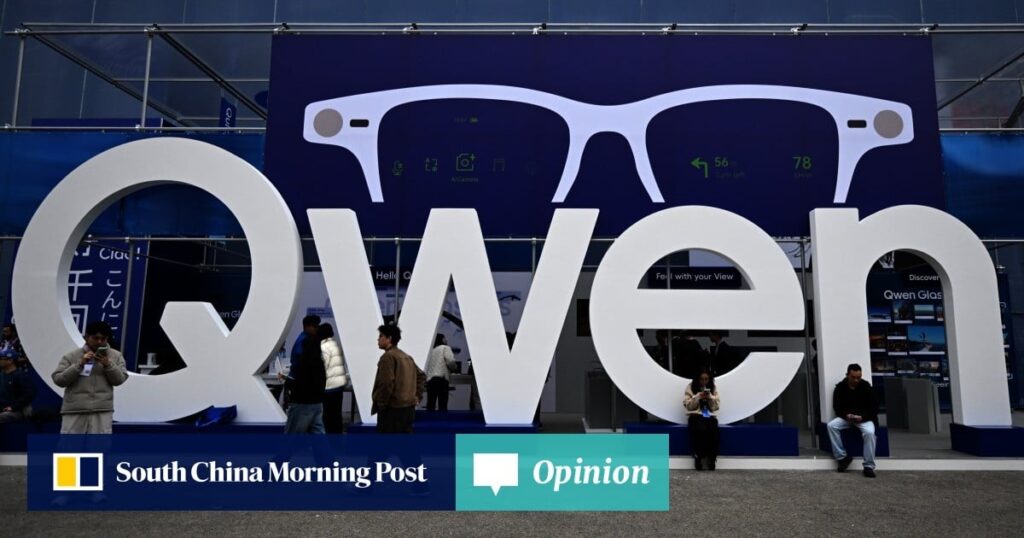
Chinese open-weight AI models captured 41% of Hugging Face downloads in the year to February 2026—exceeding U.S. models’ 36.5% share. Alibaba’s Qwen has reached ~1 billion cumulative downloads, while Singapore and Malaysia have built national AI initiatives on Chinese open-model foundations. On OpenRouter, Chinese models processed 4.12 trillion tokens in mid-February 2026 and scaled to 18 trillion weekly tokens by June 2026—more than triple the U.S. total. According to Shaoshan Liu of AIRS, China’s AI advantage lies in accessibility, not benchmark supremacy.

US bans Chinese humanoid robots, inverters — AI supply chain shift looms
Southeast Asia Supply Chain

US bans Chinese humanoid robots, inverters — AI supply chain shift looms

The U.S. FCC banned imports of Chinese humanoid and quadruped robots and connected power inverters effective July 28, 2026, citing national security risks. The move aims to secure AI and data center supply chains and may accelerate manufacturing relocations to Southeast Asia. Indonesia is highlighted as a potential beneficiary due to its nickel reserves, electronics industry, and labor cost advantage—though no FDI has yet materialized. Risks include weakened Chinese demand for Indonesian coal, nickel, and CPO, plus currency pressure on the rupiah. Key watchpoints include China’s retaliation timeline (1–2 weeks), BKPM’s Q3 2026 FDI data, and potential secondary tariffs on Indonesian exporters using Chinese components.

China launches zero-tariff policy for 53 African nations
Geopolitics

China launches zero-tariff policy for 53 African nations

China’s unilateral zero-tariff policy for 53 African nations took effect on 1 May 2026, offering duty-free access for two years to 20 non-least developed countries including Namibia. The policy reshapes supply chains by embedding digital infrastructure — from electronic CIQ certification to Douyin-driven consumer trust — as core trade enablers. A 24-ton South African apple shipment cleared duty-free at Shenzhen on launch day, validating implementation. For Namibian SMEs, success hinges on Mandarin-language digital narratives, QR traceability, and participation in Hainan’s 10,000-yuan annual tax exemption zone. Scholars warn that tariff relief alone risks dependency without parallel investment in digital literacy and value-added processing.

Hyundai Glovis inks Chinese EV battery, KD parts deals
Last Mile

Hyundai Glovis inks Chinese EV battery, KD parts deals

Hyundai Glovis has secured new logistics contracts with Chinese EV and battery manufacturers, including sea transport of batteries from South China to Hungary, Spain, and Italy; KD parts shipments from East China to Slovenia and Croatia; and vehicle disassembly and rail transport to Kazakhstan and Uzbekistan. Finished vehicle shipments via PCTC from China rose 93% — from 260,000 units in 2023 to 510,000 in 2025. The firm aims for 40 trillion won in revenue by 2030, prioritizing non-affiliate customer growth. It recently launched a dedicated high-and-heavy cargo unit to serve China’s industrial machinery export market.

Welcome Back!

Login to your account below

Create New Account!

Fill the forms below to register

Retrieve your password

Please enter your username or email address to reset your password.

Add New Playlist