Skip to content

Coverage desk

Trade & Tariffs

222 published stories

US urges African nations to build logistics on American AI
Trade & Tariffs

US urges African nations to build logistics on American AI

The U.S. is urging African nations to build logistics and trade systems on American AI, citing stronger security, transparency, and data sovereignty. At the AFRICOM Logistics Symposium in Addis Ababa on July 29, 2026, Mark Mitchell stressed choosing the 'American ecosystem' for long-term growth. Programs like A3I (using generative AI for country-specific logistics reports) and TABIA (targeting Nigeria, Kenya, and Côte d’Ivoire) support this push. U.S. FDI in African digital infrastructure rose 27% in 2025, outpacing Chinese investment by 11 percentage points. Officials define AI sovereignty as deploying best-in-class tools while retaining full control over national data.

South Africa’s Freight Rail Reforms Lag, 168M Tons Below 200M Target
Trade & Tariffs

South Africa’s Freight Rail Reforms Lag, 168M Tons Below 200M Target

South Africa’s freight rail reforms—launched in 2020—remain slow despite mounting pressure to bolster regional trade. In 2025, rail volumes reached 168 million tons, still short of the 200 million ton target. Gulf markets supplied 60% of South Africa’s petroleum imports and accounted for $11.6 billion (11%) of total imports. Contracts with 11 private rail operators aim to add 24 million tons of capacity, yet aging infrastructure and 80% road dependency constrain progress. Kumba Iron Ore has reconfigured production to match Transnet’s limits, while experts warn delays weaken South Africa’s role as an Africa–Middle East trade gateway.

Vietnam Faces 12.5% US Tariff, Tightens Traceability for Textiles, Electronics
Trade & Tariffs

Vietnam Faces 12.5% US Tariff, Tightens Traceability for Textiles, Electronics

Vietnam faces a 12.5% U.S. tariff under Section 301 after being named among 60 economies under forced labour compliance investigation on 23 July 2026. In response, the Ministry of Industry and Trade issued Circular No. 31/2026/TT-BCT on 11 June 2026, mandating traceability for high-risk exports via the VeriGoods platform. Sectors including textiles, electronics, semiconductors, and renewable energy equipment must now document origins of raw materials, components, and manufacturing steps. The U.S. measure applies to inputs linked to forced labour — not just finished goods — raising compliance pressure across multi-tier supply chains. Vietnam’s domestic risk classifications diverge from U.S. assessments, requiring exporters to map deeper-tier suppliers and strengthen due diligence beyond first-tier contractors.

US sanctions 8 Chinese, Hong Kong firms over Iranian oil shipments
Trade & Tariffs

US sanctions 8 Chinese, Hong Kong firms over Iranian oil shipments

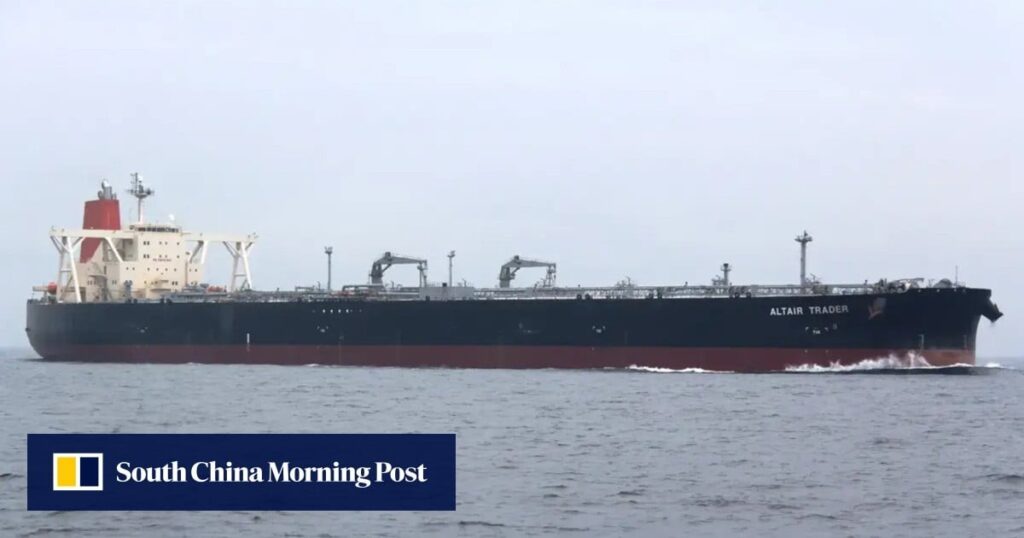
The U.S. sanctioned eight Chinese and Hong Kong shipping firms on 29 July 2026 for operating vessels in Iran’s sanctions-evading 'shadow fleet.' Six tankers were specifically accused of delivering millions of barrels of Iranian crude to China in 2026. The designations freeze U.S.-jurisdiction assets and prohibit U.S. entities from transacting with them. State Department spokesman Tommy Pigott stated the action supports U.S. Navy enforcement of a blockade on Iranian ports. Two Iranian companies forcing maritime insurance on Strait of Hormuz transit vessels were also targeted. Firms were incorporated between 2021 and 2024, with operations traced to Ningbo, Shanghai, and Hong Kong.

China launches zero-tariff policy for 53 African nations
Trade & Tariffs

China launches zero-tariff policy for 53 African nations

China’s unilateral zero-tariff policy for 53 African nations took effect on 1 May 2026, offering duty-free access for two years to 20 non-least developed countries including Namibia. The policy reshapes supply chains by embedding digital infrastructure — from electronic CIQ certification to Douyin-driven consumer trust — as core trade enablers. A 24-ton South African apple shipment cleared duty-free at Shenzhen on launch day, validating implementation. For Namibian SMEs, success hinges on Mandarin-language digital narratives, QR traceability, and participation in Hainan’s 10,000-yuan annual tax exemption zone. Scholars warn that tariff relief alone risks dependency without parallel investment in digital literacy and value-added processing.

FedEx CEO calls current supply chain shift biggest in 35 years
Trade & Tariffs

FedEx CEO calls current supply chain shift biggest in 35 years

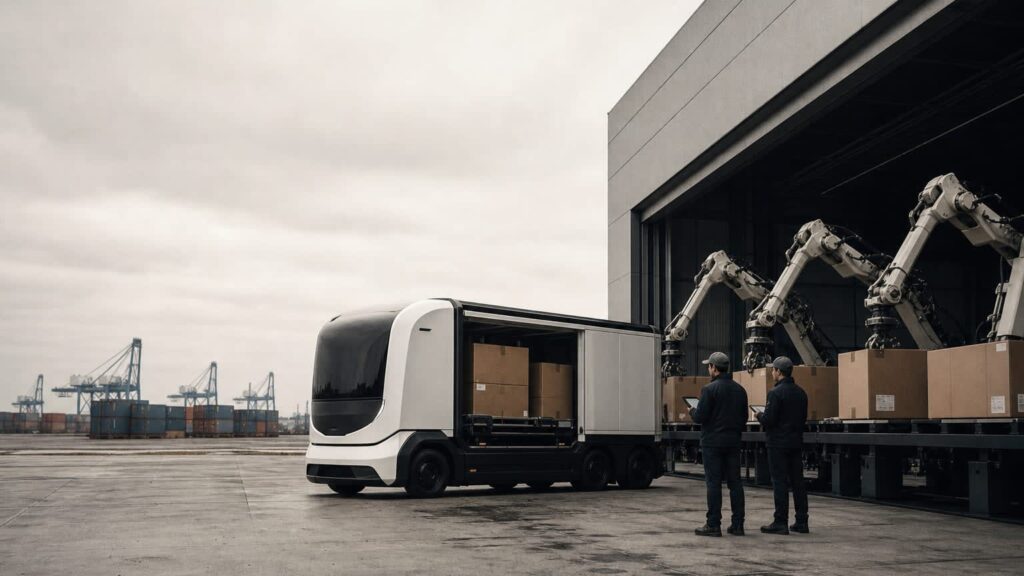
FedEx CEO Raj Subramaniam declared the current supply chain upheaval the largest in 35 years, driven by tariffs and geopolitical friction. He framed it as reglobalization — not deglobalization — with trade rerouting toward Latin America, Southeast Asia, and India. FedEx is executing three parallel transformations: network unification, e-commerce digital scaling, and large-scale automation, including autonomous trucks with Aurora and hub robotics with Dexterity and Berkshire Grey. In South Africa, the Road Freight Association and SAFLA signed a MOU on July 16, 2026, while Newlyn secured R5 billion in financing. These developments signal urgent operational shifts for procurement and logistics teams worldwide.

Shein posts $99M Q1 loss amid US tariff hit, EU fee
Trade & Tariffs

Shein posts $99M Q1 loss amid US tariff hit, EU fee

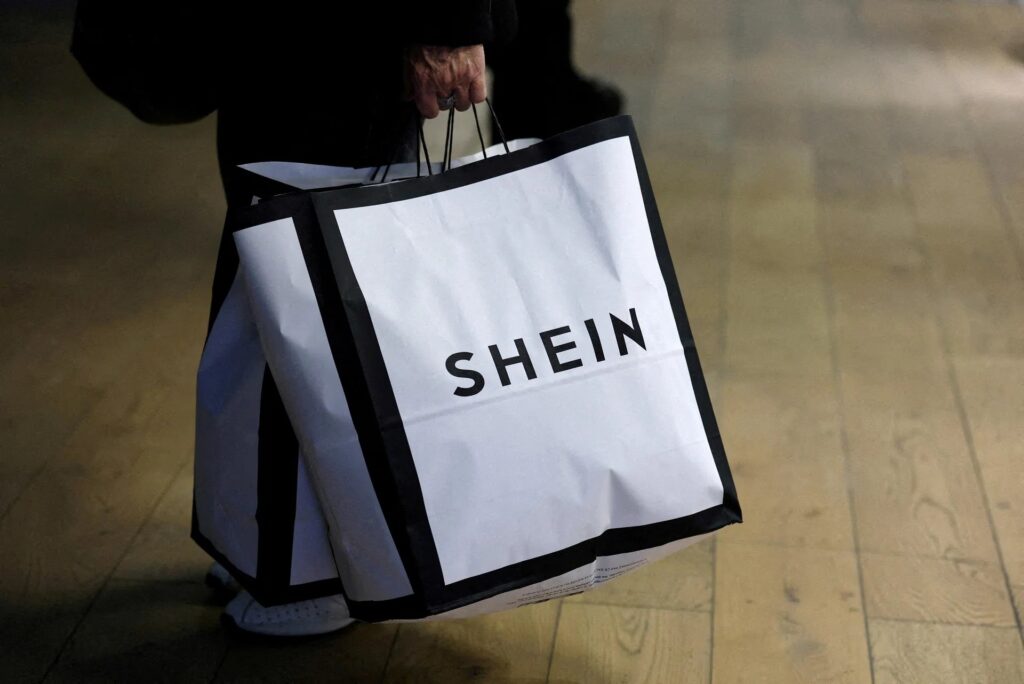
Shein reported a US$99 million Q1 2026 loss — reversing from US$395 million profit a year earlier — driven by U.S. tariff changes and a US$328 million accounting charge. U.S. revenue fell 14.3% to US$2.04 billion; the EU’s new 3-euro fee on low-value parcels adds further pressure. Approved by China’s CSRC on July 10, 2026, its Hong Kong IPO targets US$40–50 billion — down from US$100 billion in 2022. Over 90% of 2025 revenue came from Chinese central warehouses.

Houthi blockade cuts Red Sea traffic 40%, raises Middle East conflict risk
Trade & Tariffs

Houthi blockade cuts Red Sea traffic 40%, raises Middle East conflict risk

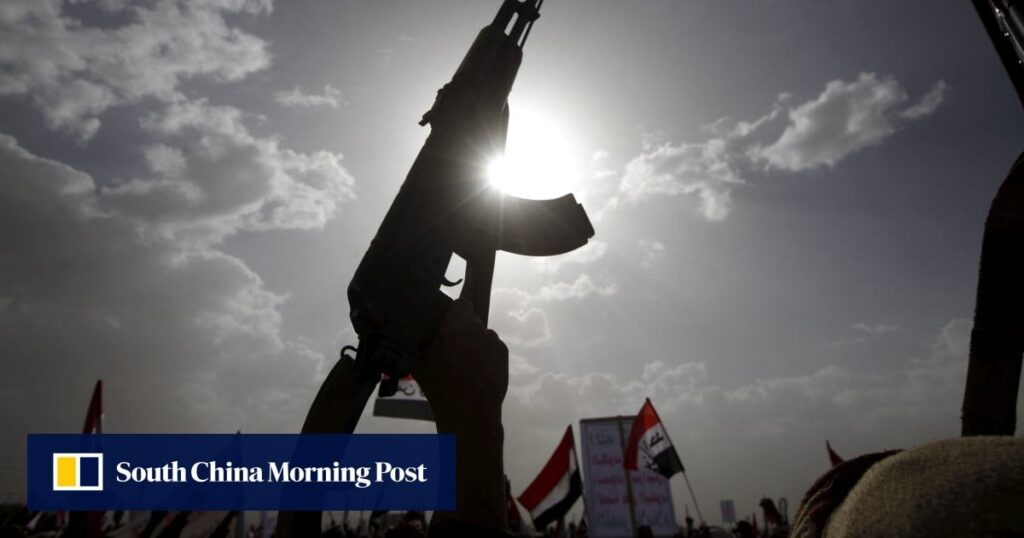
Houthi forces imposed a Saudi shipping embargo on 22 July 2026, cutting Red Sea traffic by 40% and triggering Saudi airstrikes on Hodeidah port. A National Shipping Company of Saudi Arabia oil tanker was hit on 25 July 2026, prompting Donald Trump’s threat to hold Iran responsible. Pakistan activated its mutual defence pact with Riyadh, while U.S. Central Command escalated surveillance. The Red Sea handles 12% of global trade; disruptions have raised Asia–Europe freight rates by 215% and extended auto component lead times by 18–22 days.

China adds 14 EU entities to export control list
Trade & Tariffs

China adds 14 EU entities to export control list

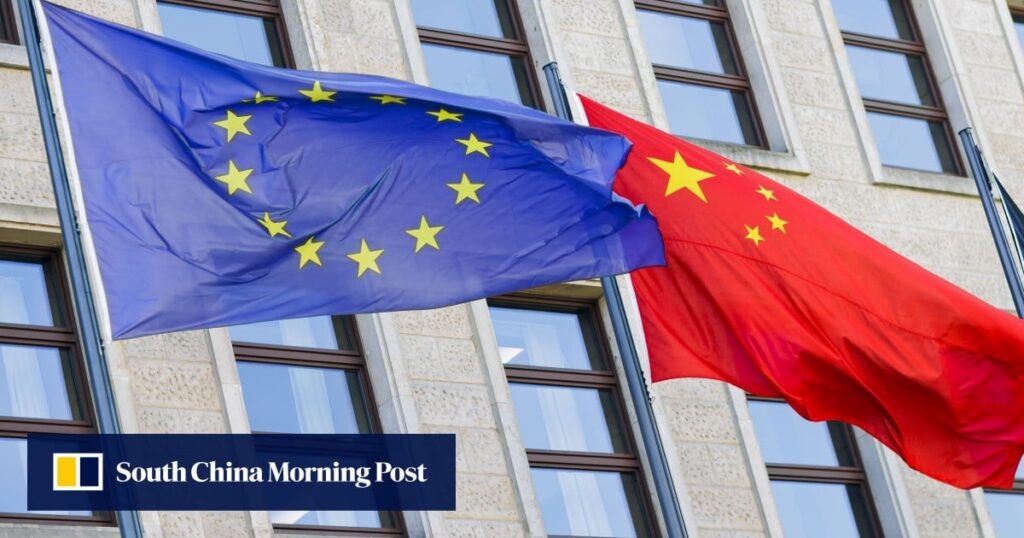
China’s Ministry of Commerce added 14 EU-based entities—including Germany’s Rheinmetall, Italy’s Lafert, and France’s Cavok UAS—to its export control list on 24 July 2026. The move, effective immediately, prohibits exports of dual-use items (e.g., certain rare earth elements) from China to these firms. It follows the EU’s 21st round of Russia sanctions, which targeted 14 companies from mainland China and Hong Kong. The EU’s broader list covered 51 entities across China, Hong Kong, India, Turkey, and the UAE. This marks a significant escalation in regulatory tit-for-tat, directly impacting global supply chains for defense, drones, and advanced manufacturing.

US imposes 10%–12.5% tariffs on 60 economies amid tariff complexity
Trade & Tariffs

US imposes 10%–12.5% tariffs on 60 economies amid tariff complexity

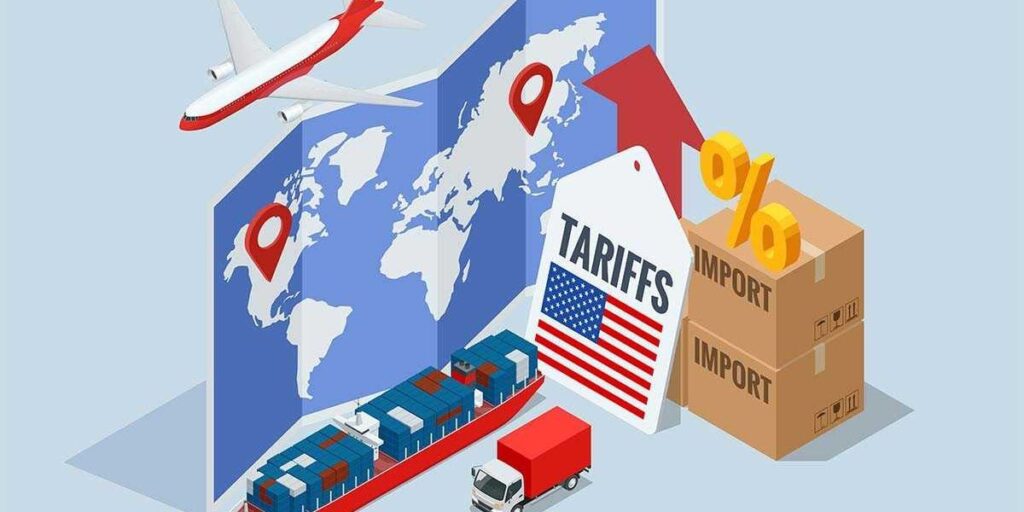
The US launched a new Section 301 tariff regime on 24 July 2026, imposing 10%–12.5% duties on imports from 60 economies. Unlike previous measures, the new rules interact with existing tariffs—including Section 232, anti-dumping, and China-specific duties—creating layered compliance challenges. Exports from the EU and Taiwan face a 10% cap, while Japan, South Korea, and Switzerland face a 12.5% cap, both inclusive of MFN duties. Brazil’s new 12.5% rate may stack with existing 25% duties, risking 37.5% total levies. Customs experts warn importers must urgently reassess origin, classification, and routing. EU foreign policy chief Kaja Kallas criticized the move as a breach of the Turnberry Agreement.

Trump imposes 10%–12.5% tariffs on 60 partners amid container peak fade
Trade & Tariffs

Trump imposes 10%–12.5% tariffs on 60 partners amid container peak fade

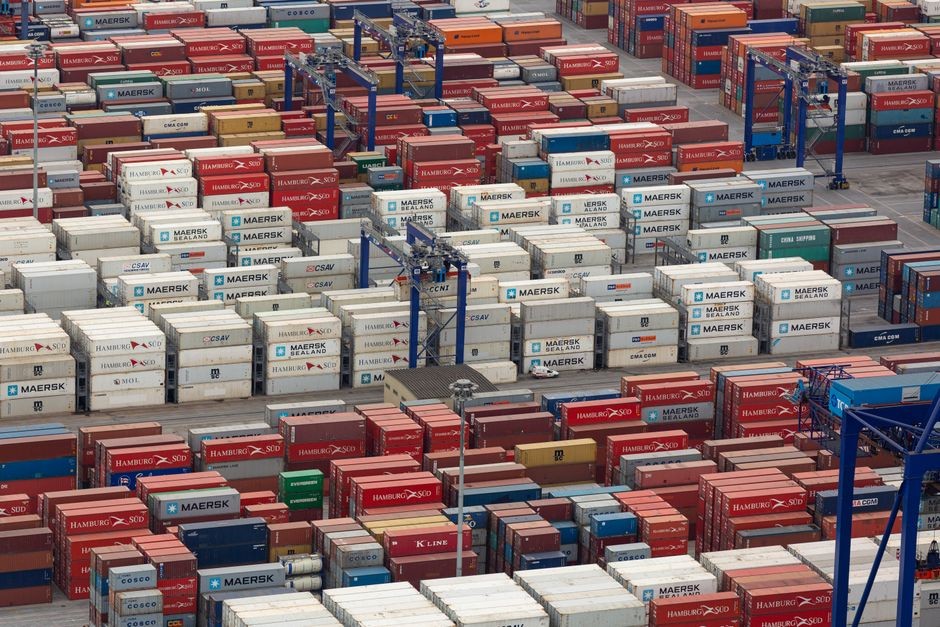
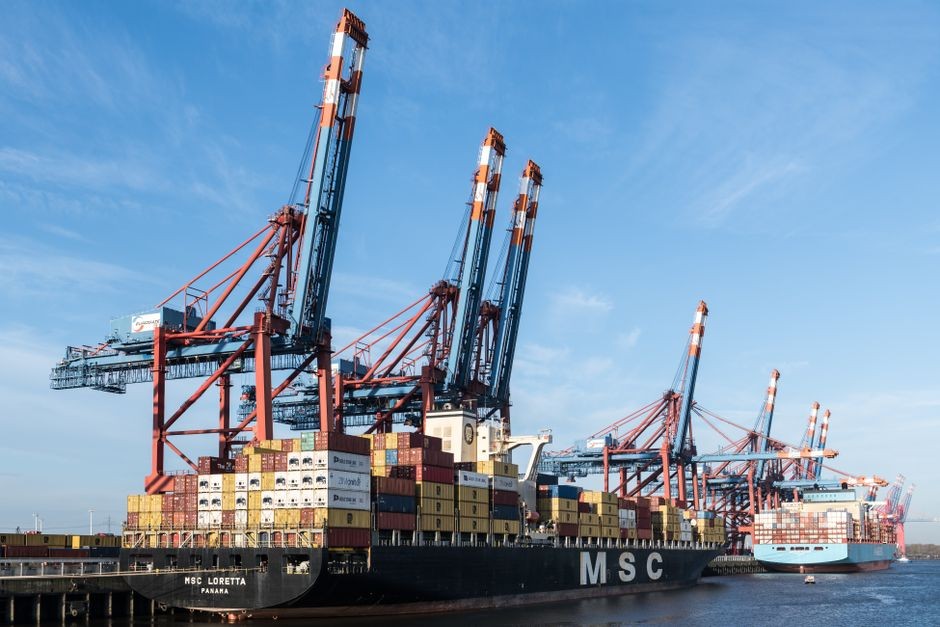
Former U.S. President Donald Trump has imposed new 10%–12.5% tariffs on imports from 60 trading partners, replacing expired global duties just as the 2026 U.S. container peak season fades. The National Retail Federation expects U.S. port imports to fall from a record 2.47 million TEU in July to below 2 million TEU monthly in Q4. Drewry’s World Container Index dropped 4% to $4,374/FEU, with Shanghai–Los Angeles rates down 6% to $5,878. Carriers have scheduled six transpacific blank sailings for next week. The move targets forced labor compliance failures, according to U.S. Trade Representative Jamieson Greer.

CBP returns $86.3B in unlawful tariffs, billions still pending
Trade & Tariffs

CBP returns $86.3B in unlawful tariffs, billions still pending

U.S. Customs and Border Protection has returned $86.3 billion in unlawful IEEPA tariffs—including interest—following a Supreme Court ruling, per The Loadstar. A July 15, 2026 court order confirmed the disbursement, yet billions remain in legal limbo. CBP has accepted over 70% of refund applications, but SMEs struggle with documentation burdens. Outstanding claims date to 2024, with interest accruing through Q3 and Q4 2025. New CPSC eFiling rules launched in July 2026 compound operational pressures. The refund process unfolds amid broader trade enforcement shifts, including forced labor rule implementation and Russia sanctions updates.

Welcome Back!

Login to your account below

Create New Account!

Fill the forms below to register

Retrieve your password

Please enter your username or email address to reset your password.

Add New Playlist